34 in-depth guides for independent visitors to Seoul. Each one explains what you are looking at, who it suits, and exactly how to do it: Korean names, opening days, booking rules and the etiquette that matters.
Palaces & history
Read Joseon's palaces and shrines as the political ideas they were built to express, then visit them on the right day.
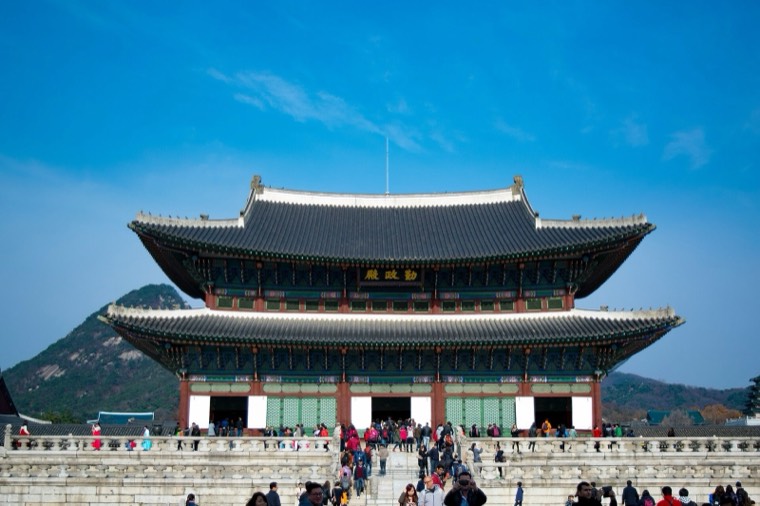
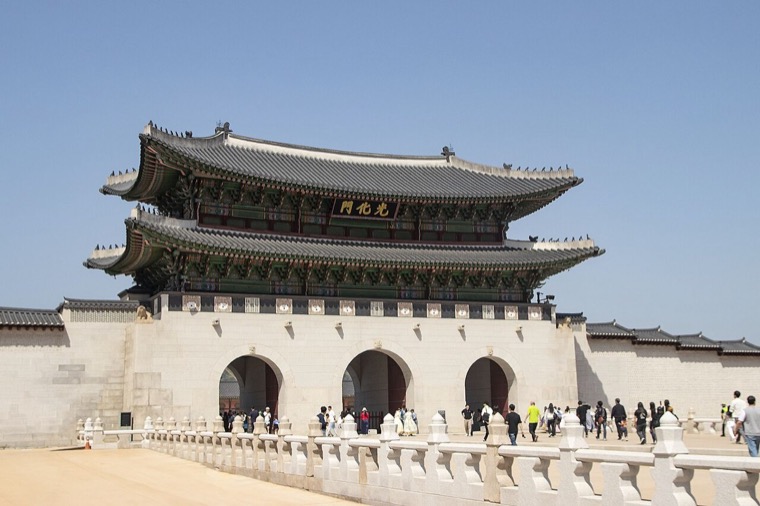
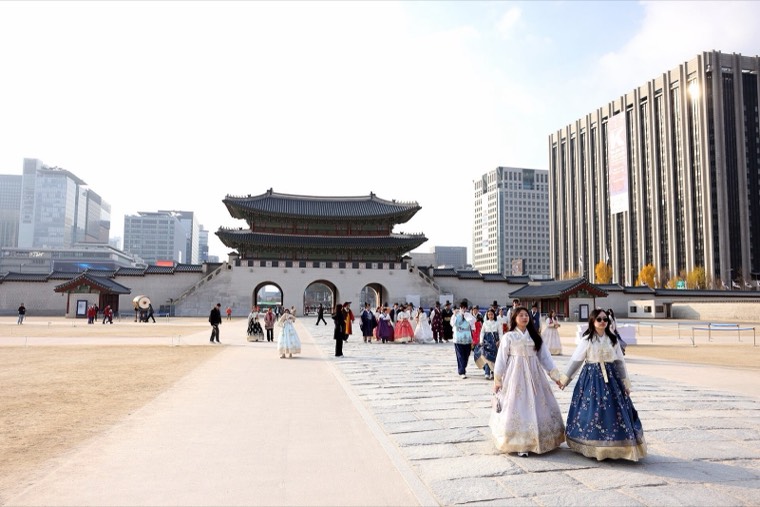
Gyeongbokgung in 2–3 hours: what the throne-hall axis says about Joseon kingship, guard ceremony times, hanbok entry rules, closing days and what to skip.
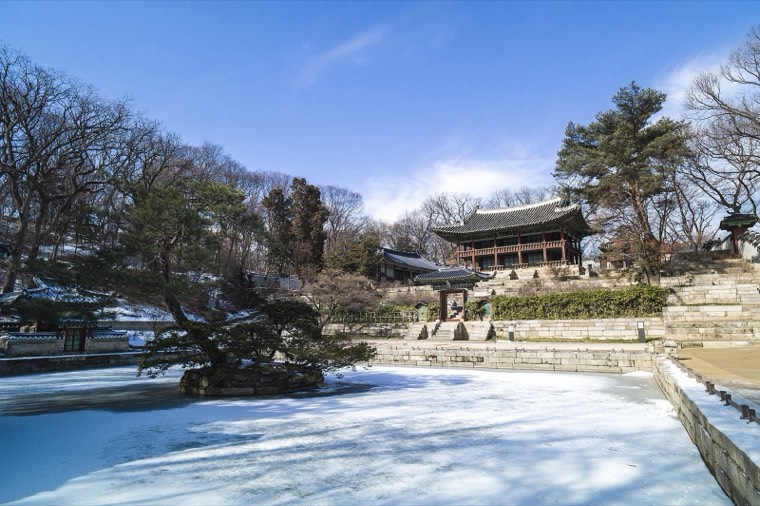
Why Changdeokgung's hillside layout earned UNESCO listing, how to book the Huwon English tour online six days ahead or on site, and how to add Changgyeonggung.
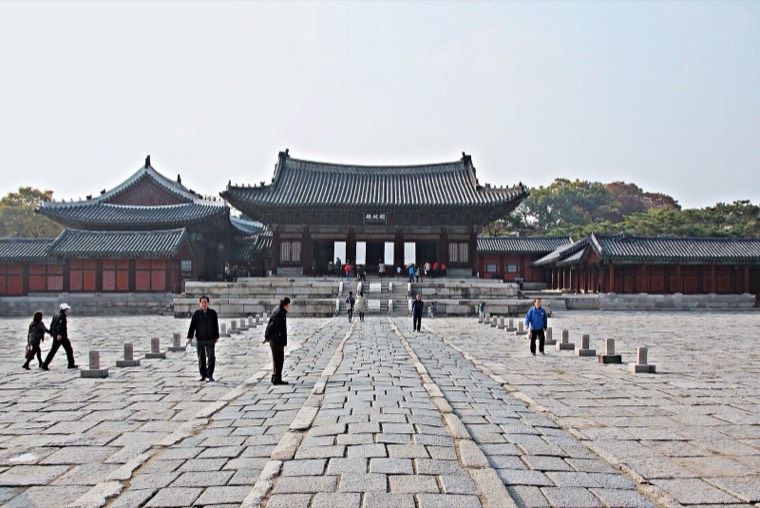
Gyeongbokgung, Changdeokgung, Changgyeonggung, Deoksugung and Gyeonghuigung side by side: what each is best for, closing days, fees, the 6,000-won pass and day plans.
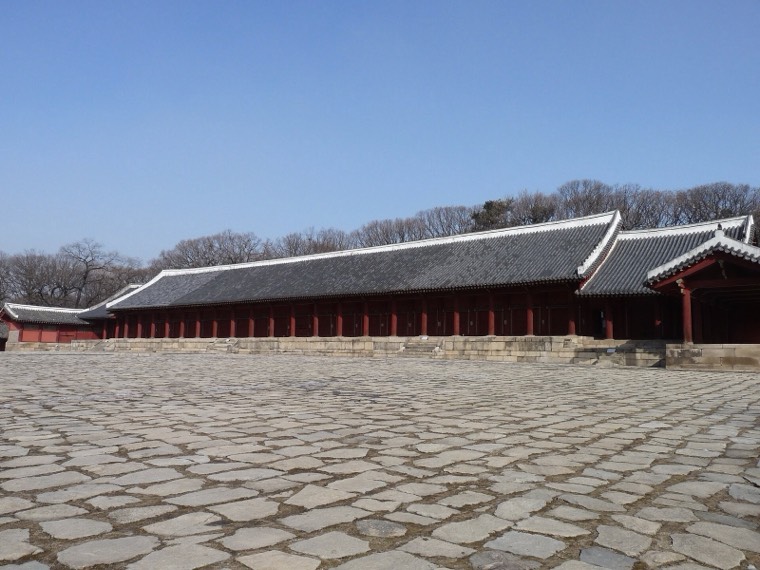
Why Jongmyo is Seoul's most austere royal site, how its guided-tour and free-viewing days work, the restored main hall, the May and November rites, and etiquette.
Traditions & etiquette
Hanbok, temples, bathhouses and the everyday courtesies that make a visit go smoothly.
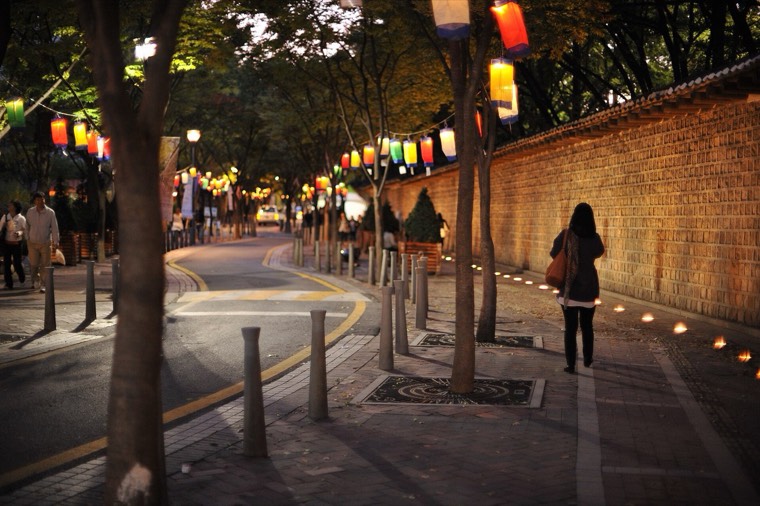
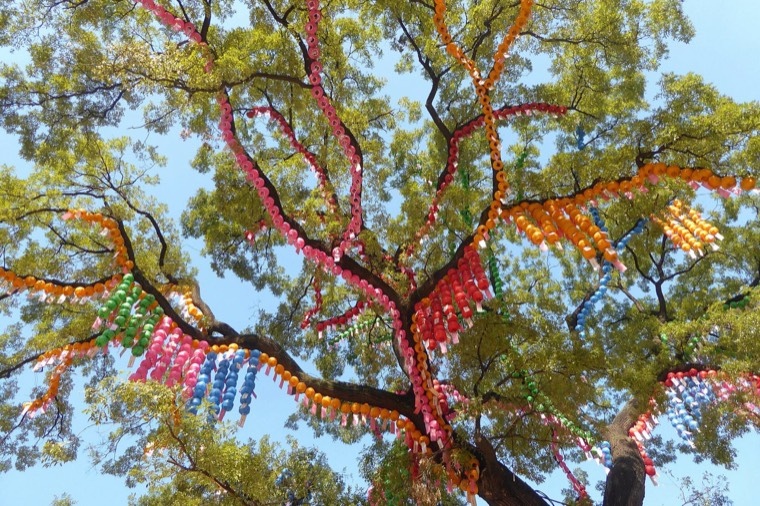
How to visit Jogyesa and Bongeunsa well: temple layout, main-hall etiquette, the Lotus Lantern Festival, Templestay day and overnight formats, and temple food.
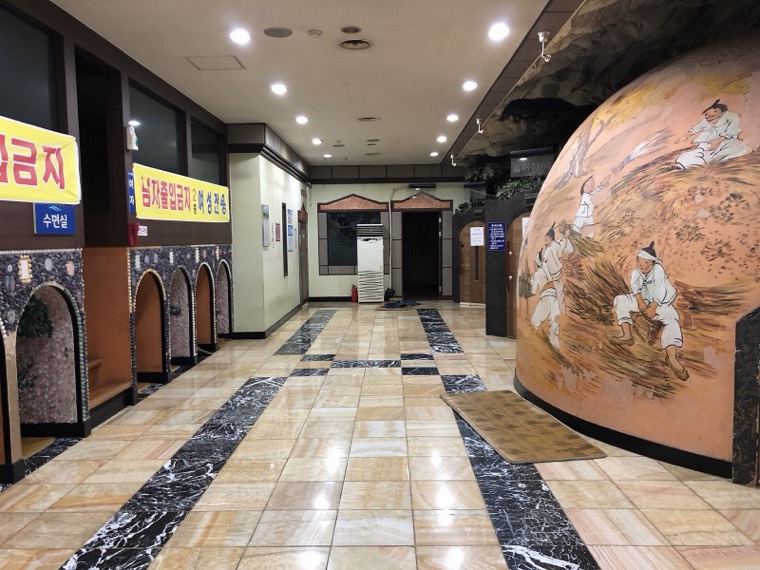
Mogyoktang versus jjimjilbang, the entry routine from shoe locker to hot pool, nudity norms, heat rooms, sikhye and baked eggs, the scrub, tattoos and sleeping over.
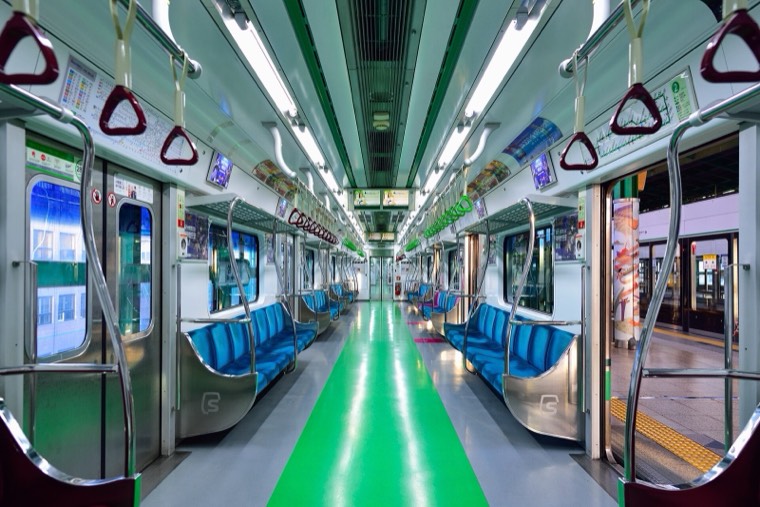
Practical Korean manners for travelers: why people ask your age, polite speech, bowing, two-handed giving, shoes off, subway seats, tipping, gifts and what to skip.
Food & drink
How Koreans eat and drink together, from shared side dishes to pouring for an elder.
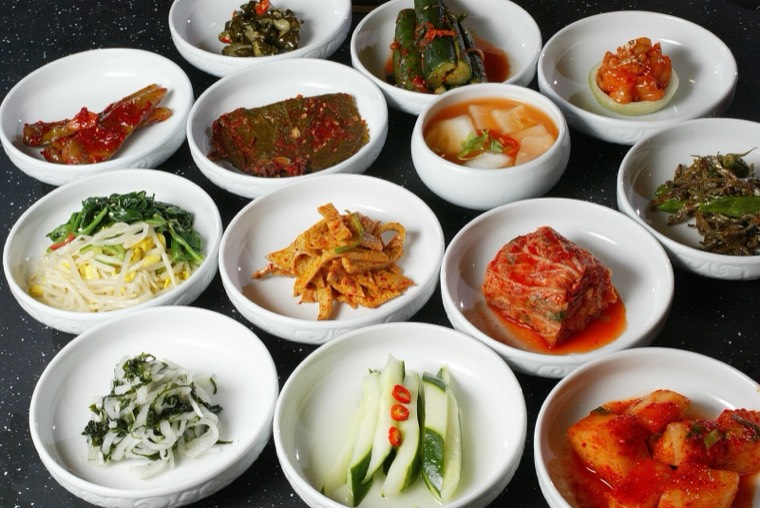
Eat at a Korean table with confidence: shared banchan and free refills, spoon versus chopsticks, why nothing stands in rice, waiting for elders, paying and tipping.
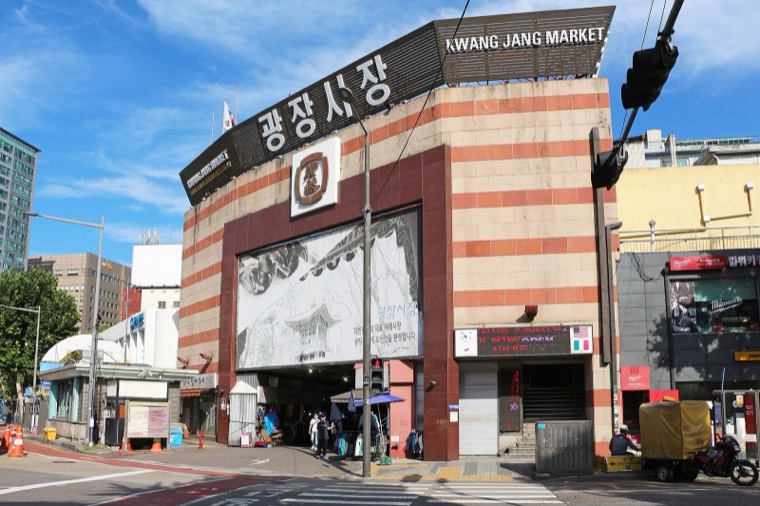
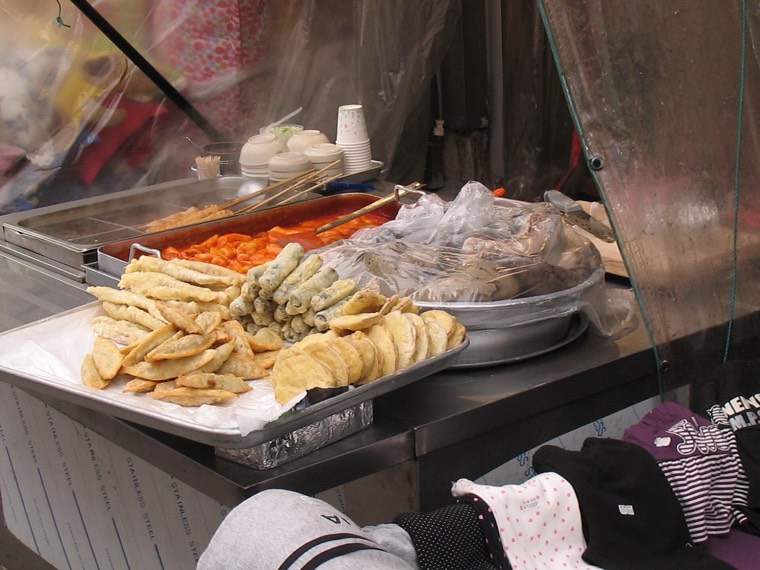
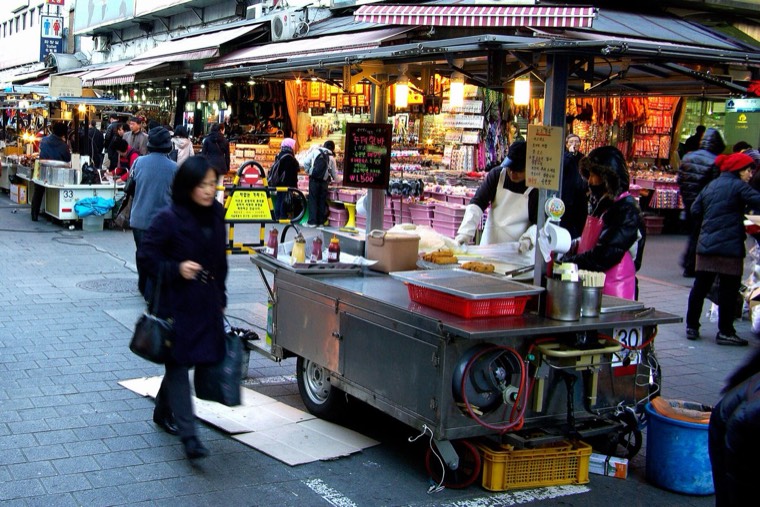
One of Seoul's oldest markets explained: its 1905 origins, the food alley layout, bindaetteok and yukhoe, counter-stall ordering, cash, price disputes and timing.
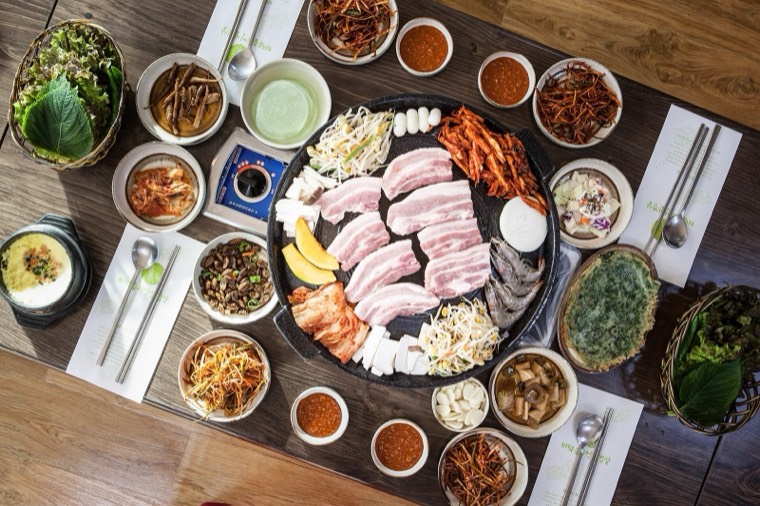
How Korean barbecue works: pork vs beef houses, reading 인분 and per-100g prices, the two-portion rule, who grills, building ssam, and what to order to finish.
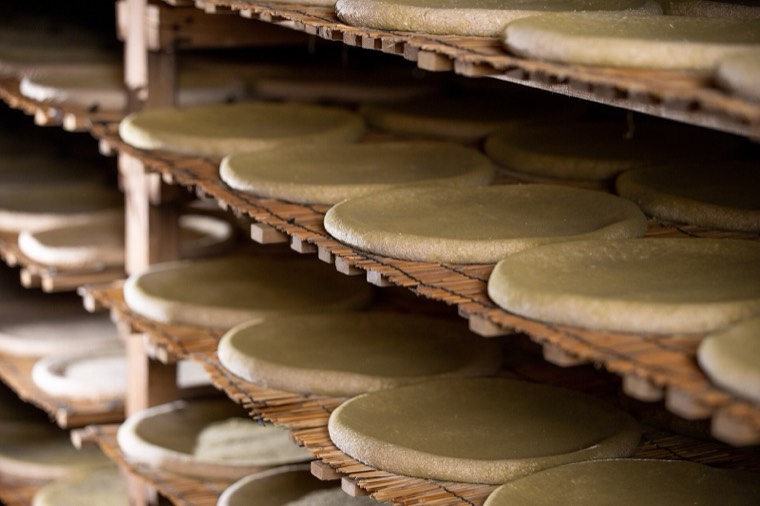
How Korean alcohol works: nuruk, takju vs yakju vs soju, regional bottles, pouring etiquette, the year-based drinking age, The Sool Gallery and getting home safely.
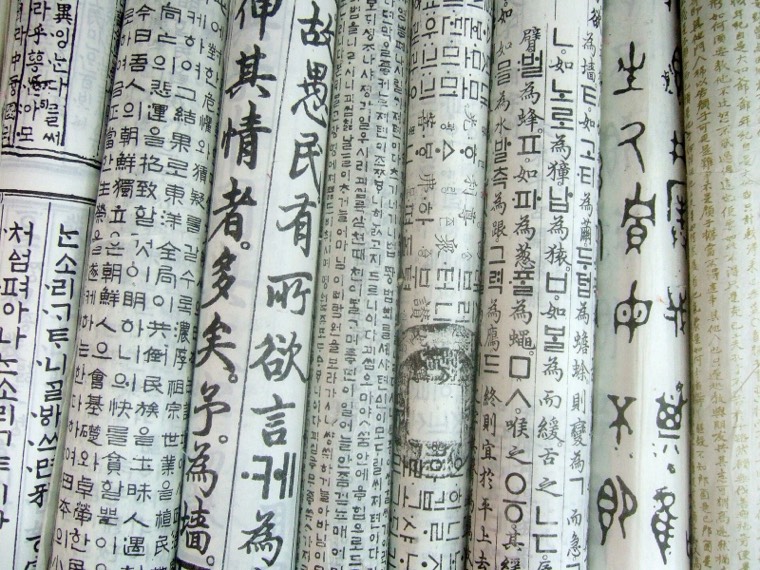
Read a Hangul menu: the cooking-method endings in dish names, portion words like 인분 and 공기밥, spice cues, set meals, restaurant types and how to ask about fish broth.
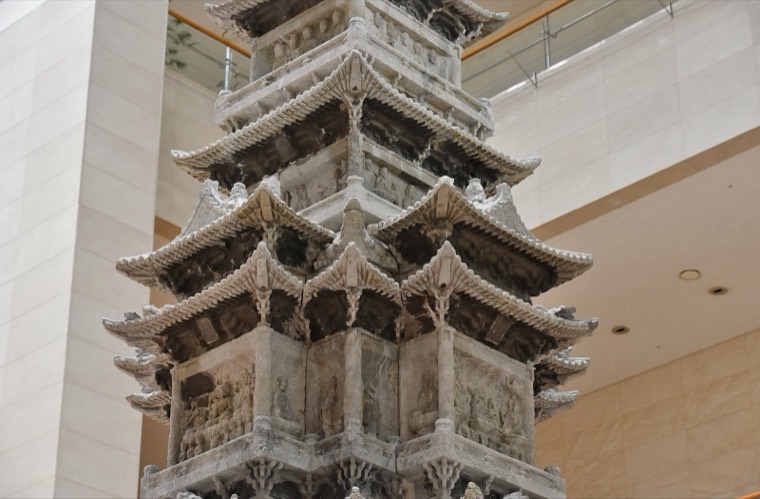
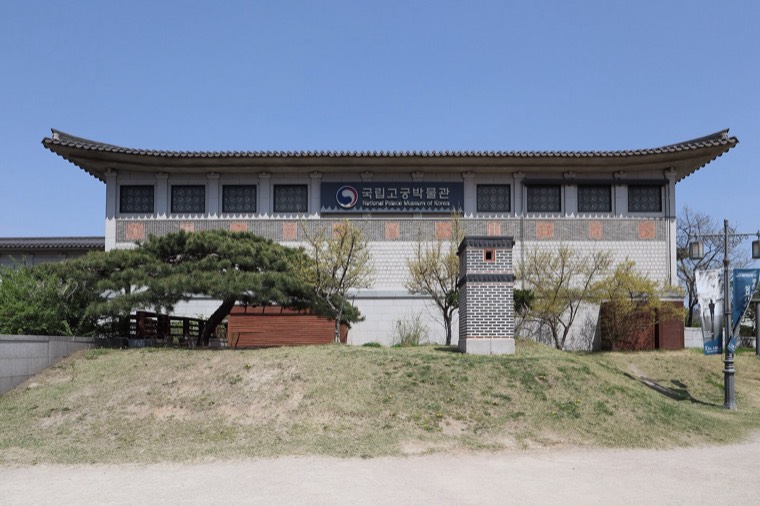
A three-hour plan for Seoul's free National Museum of Korea: the pensive bodhisattvas, a 1348 marble pagoda, Silla gold, and how to route around gallery closures.
The free folk museum inside Gyeongbokgung explains Korean holidays, dol parties, weddings and jesa. What is open now, English tours, and how to pair it with the palace.
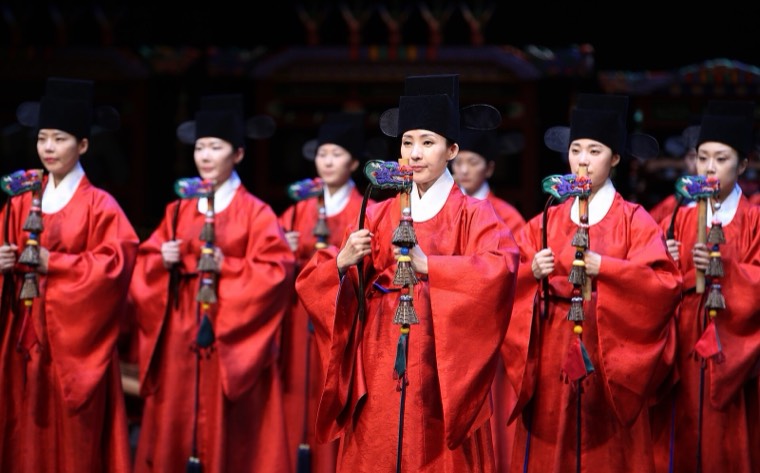
Choose between court music, pansori, samulnori and talchum by how much Korean you need, then book the right Seoul stage and know when to clap, call out or stay silent.
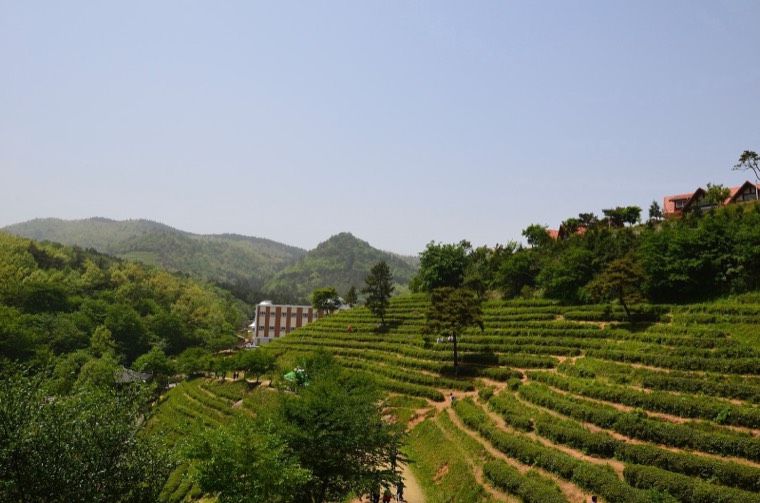
What Korean tea really is: green tea history, darye etiquette, yuja and omija 'teas', how a traditional teahouse works, where to learn, and how to buy good leaf tea.
Neighborhoods
Hanok lanes, markets and hills to walk with context rather than a checklist.
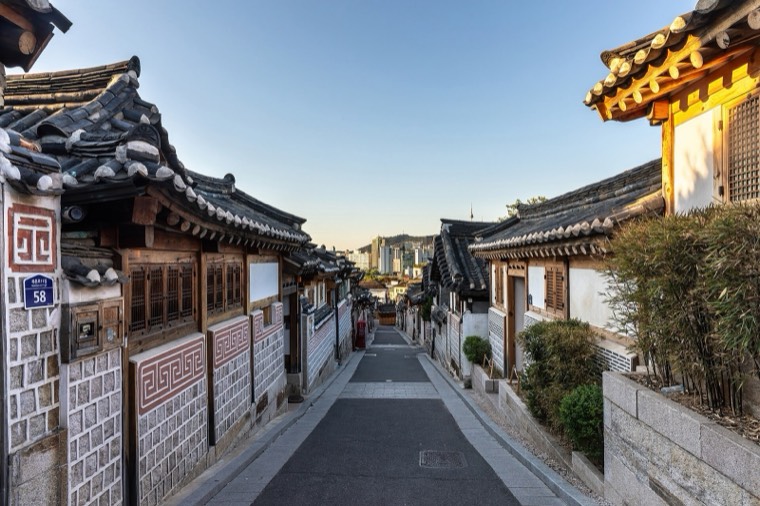
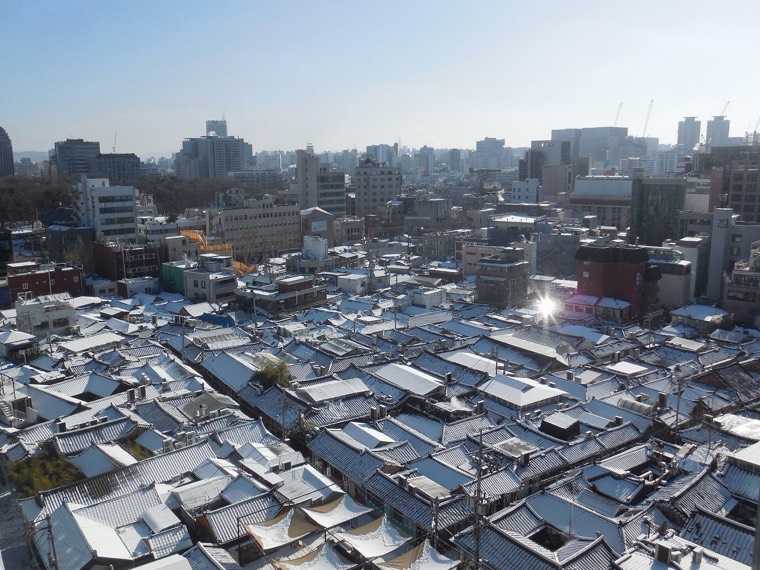
Bukchon's red zone admits tourists only from 10 a.m. to 5 p.m. How the zones and fines work, how to read a hanok roof and yard, and quieter places to go instead.
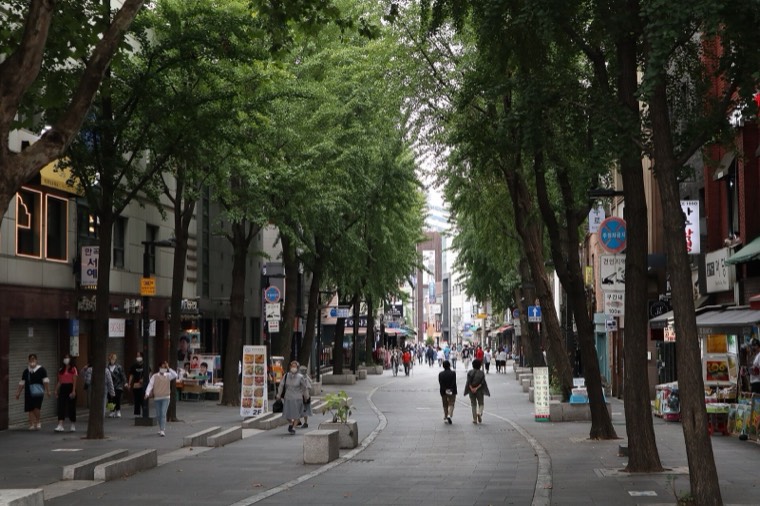
Walk Insadong and Ikseon-dong with a plan: how to tell real hanji and craft from souvenir stock, Tapgol Park's 1919 story, Jogyesa, and Jeong Se-kwon's 1920s hanok.
A half-day Seochon walk west of Gyeongbokgung: how Tongin Market's coin lunchbox works, Park No-soo's house, Suseongdong valley, Yun Dong-ju's hill and Inwangsan.
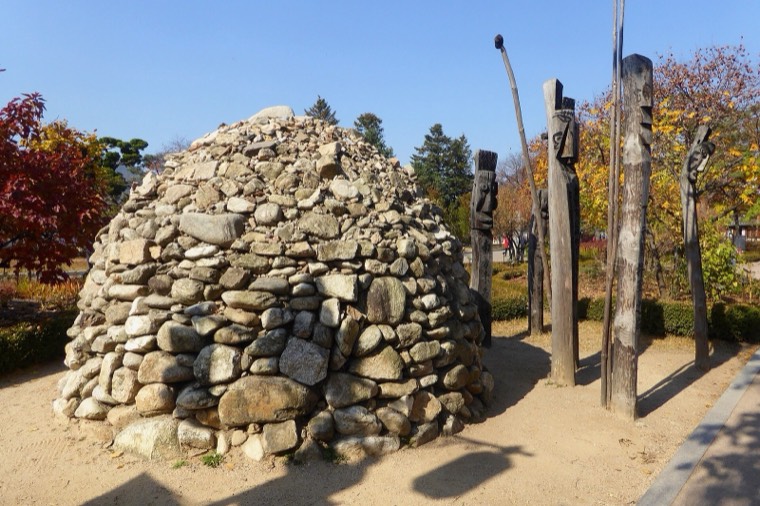
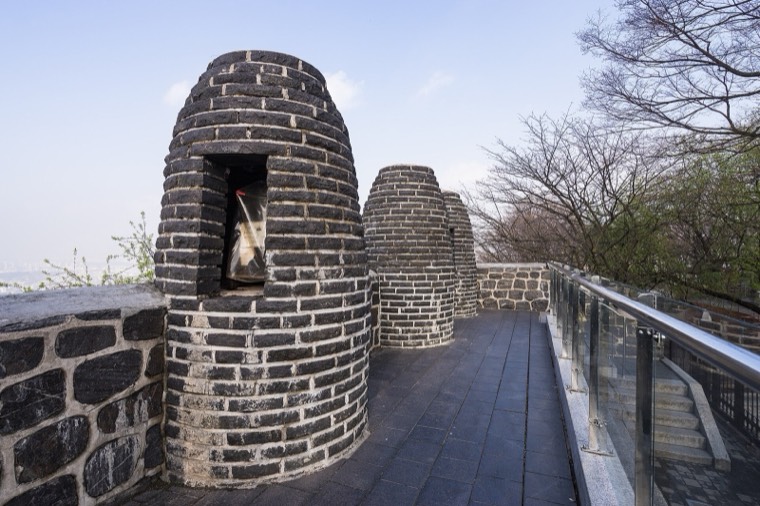
Free Namsangol Hanok Village read house by house, the 1994 time capsule and Gugakdang, plus the best way up to N Seoul Tower: on foot along the wall, by bus or cable car.
Seoul drama and film locations checked against city and tourism-board sources, grouped into six walks with Hangul map searches, Bukchon hours and palace photo rules.
Plan your trip
Itineraries, seasons, transit, maps, holidays and phrases: the planning behind a good culture day.
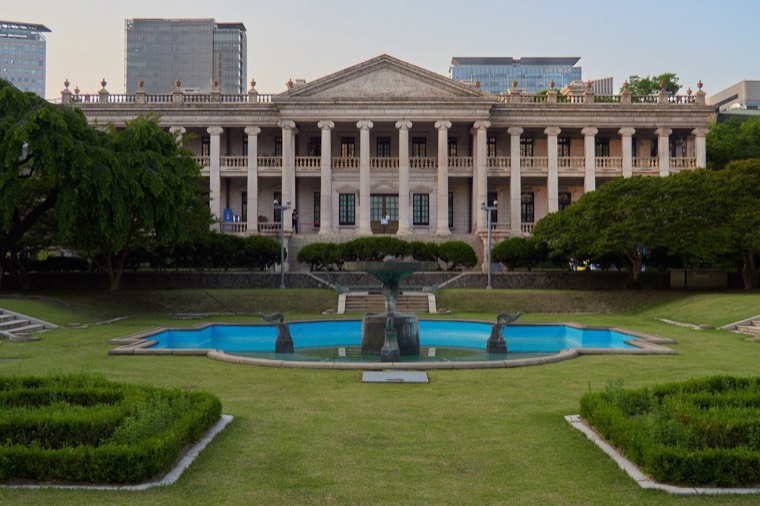
Choose imperial history at Deoksugung, public design at Seoul Forest, or an indoor comparison of Korean ceramics. Specific tours, gardens and open museum rooms give each choice a purpose.
How to pay for Seoul's subway and buses: T-money vs Climate Card passes, current fares, free transfers, exit numbers and a worked palace-to-palace trip.
Why Google Maps still can't guide you on foot in Korea, how to use Naver Map or Kakao Map in English, and the Hangul search terms that find palaces fast.
What Seollal and Chuseok mean, what closes and which palaces open free, the official 2027 holiday dates, and how to spend a Korean holiday well in Seoul.
A practical Korean phrasebook for culture trips: polite endings, pronunciation tips, and phrases for tickets, ordering, markets, temples, taxis and emergencies.
A day-by-day Seoul culture plan: Gyeongbokgung and Bukchon, the Secret Garden, Jongmyo and Gwangjang, then the National Museum, ordered for every arrival weekday.
When rain, cold or heat breaks a palace day in Seoul: the indoor museums, performances, teahouses, bathhouses and covered markets to choose, by area and weekday.
Which Seoul palaces are free on Wednesdays, three free national museums, guard ceremonies, temples, Bukchon's 10-to-5 rule and a sample free culture day.
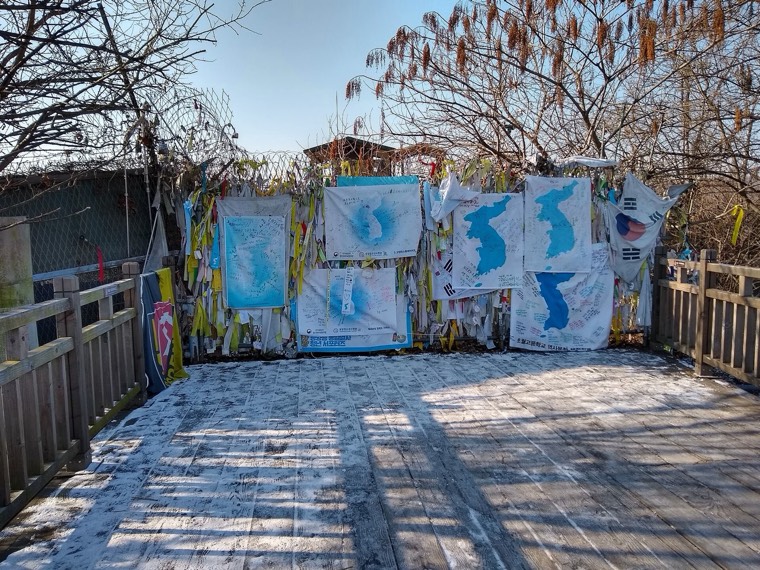
Visiting the DMZ from Seoul in 2026: Paju's tour to the Third Tunnel and Dora Observatory, fees, passport and photo rules, and why the JSA is still closed.
How these guides are made
Every guide is researched from the official records it links to, such as palace, museum, city and heritage-agency pages, and every fact that can change is dated. Our judgments about what to prioritize are labeled as ours. If something has changed, tell us and we will correct it.