In shortGo to the National Museum of Korea, reached by an underground path from Ichon Station, or pair a short walk through Gyeongbokgung with the National Palace Museum and National Folk Museum on its grounds. Add a traditional teahouse, Gwangjang Market's covered food street or the Saturday Gugak Concert, and save palace gardens and Namsan for a clear day. Monday is the hardest day to rearrange, because several indoor sights close.
Key facts
- Best all-weather museum
- 국립중앙박물관 National Museum of Korea; free; underground path from Ichon Station, 07:00–23:00
- National Museum hours
- 9:30–17:30; Wed and Sat to 21:00; last entry 30 minutes before closing
- Museums on the palace grounds
- National Palace Museum and National Folk Museum, both free; the folk museum opens on Tuesdays
- Heat-wave advisory (KMA)
- Daily maximum feels-like temperature of 33°C or more expected for 2+ days
- Cold-wave advisory (KMA)
- Morning lows of −12°C or below expected for 2+ days, or a sudden drop (Oct–Apr)
- Covered food street
- Gwangjang Market, 09:00–23:00, open all year
- Indoor performance
- Saturday Gugak Concert, 15:00, National Gugak Center; A seats 30,000 won, B 20,000 won
- Closed Mondays
- Museum Kimchikan, Seoul Museum of History; National Palace Museum on the last Monday of each month
Checked Oct 26, 2026 against the official sources listed at the end of this guide.
Why Joseon measured its rain
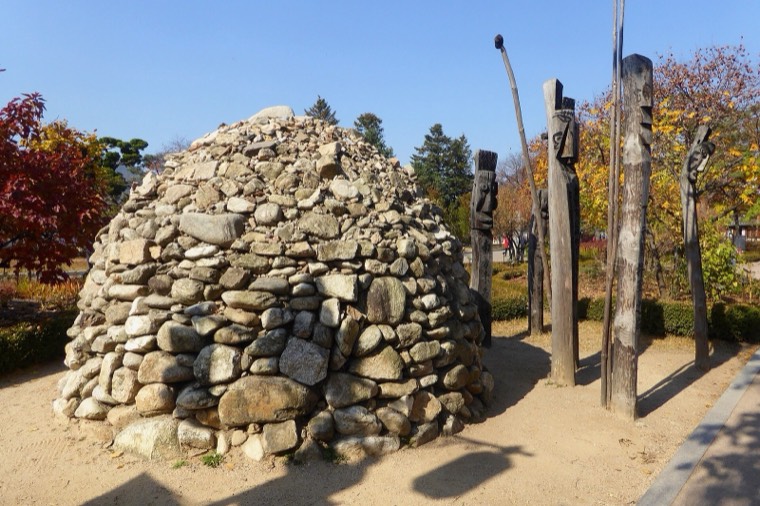
Weather mattered enough to the Joseon state that King Sejong's government made instruments to measure it. A replica of the supyo (수표), the stone gauge set in a stream to warn of drought and flood, stands in the National Folk Museum's open-air area, and the palace buildings around it are weather engineering too. Their deep eaves shade rooms from the high summer sun, let the low winter sun reach inside and keep rain off timber posts, while ondol (온돌), the underfloor heating of traditional houses, holds warmth through the freezing months.
Koreans keep their own habits for bad weather. Ask what to eat on a rainy evening and the likely answer is jeon, savory pan-fried pancakes, with makgeolli; on a hot afternoon, something cold and sour such as iced omija-cha; on a freezing one, a heated floor at the bathhouse. This guide follows the same logic. Rather than looking for any shelter, it swaps each outdoor plan for an indoor one that still teaches you something about the same culture, in the same part of the city.
First decide what the weather has actually broken
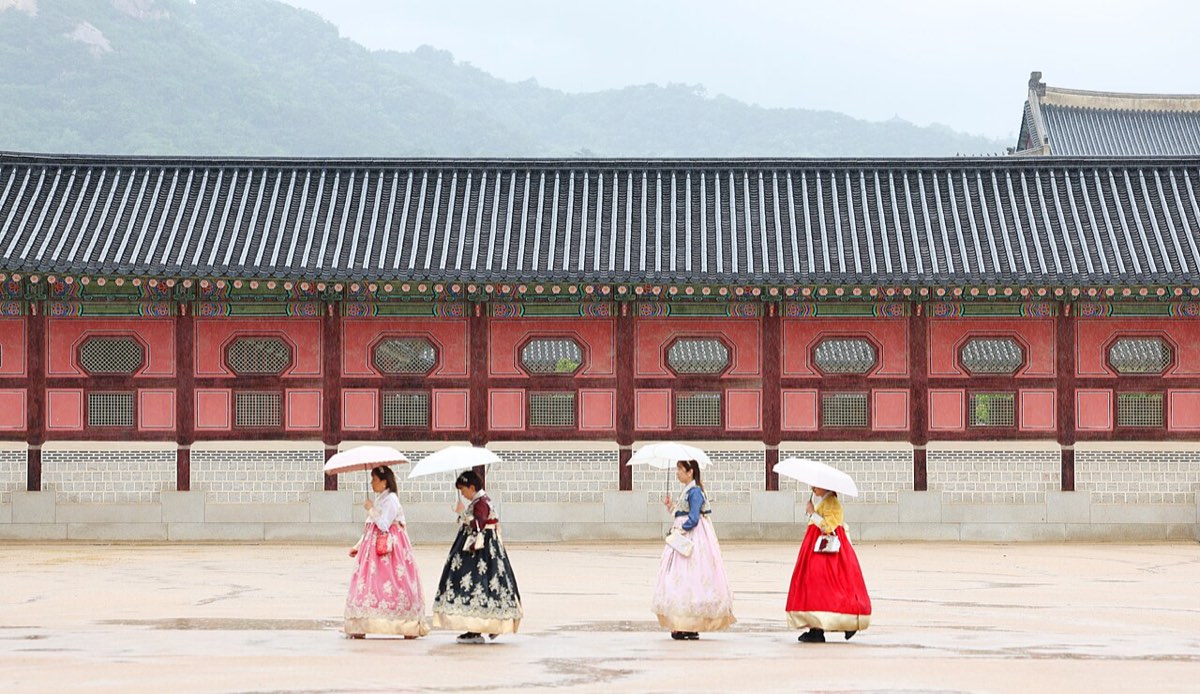
Not every forecast should cancel a palace. Light rain thins the crowds at Gyeongbokgung (경복궁) and shows Bukchon's roof drainage at work; what it spoils are earth paths, long hanbok hems and outdoor ceremonies. Heat is the bigger threat, because the palaces' stone and gravel courtyards offer little shade. Freezing days are manageable in the morning and miserable by late afternoon, and from November to February Gyeongbokgung stops admitting visitors at 16:00 in any case.
Use the Korea Meteorological Administration's own thresholds as switch points. It issues a heat-wave advisory (폭염주의보) when the daily maximum feels-like temperature is expected to reach 33°C or more for at least two days, and a warning at 35°C. Between October and April it issues a cold-wave advisory (한파주의보) when morning lows are expected to stay at −12°C or below for two days, or to fall 10°C or more from the day before to 3°C or lower. On those days, keep outdoor sights to the first hour after opening and plan indoors from late morning.
Heat calls for a change of clock as much as a change of place. Be at a palace gate at 09:00, go indoors from late morning to late afternoon, and come back out after 17:00, when Deoksugung and Changgyeonggung stay open until 21:00 with last entry at 20:00. The National Museum of Korea's Wednesday and Saturday evenings, and the Seoul Museum of History's Friday evenings, give you cool galleries while the streets are at their hottest.
Some plans are simply not worth saving. The views from the Namsan summit and N Seoul Tower disappear in low cloud and rain, so swap them rather than ride up hoping for a gap. Steep stone routes, such as the Inwangsan wall trail above Seochon, turn slick in rain and dangerous in ice. And Jongmyo (종묘), a place of open stone courts with nothing to enter, is best moved to a dry day. Keep these for the clearest day of your trip and give the bad one to the indoor sights below.
The National Museum of Korea: a whole day without surfacing
If you can choose only one indoor experience, choose this. From Ichon Station, on Line 4 and the Gyeongui-Jungang Line, the Museum Nadeulgil underground path runs to the National Museum of Korea (국립중앙박물관) between 07:00 and 23:00, so you need not surface in rain or heat. The permanent galleries are free and open 9:30 to 17:30, until 21:00 on Wednesdays and Saturdays, with last entry 30 minutes before closing. Leave backpacks in the first-floor lockers. Focus on the Gyeongcheonsa pagoda, the Silla gold crown and the two pensive bodhisattvas, then the celadon and buncheong rooms.
Plan around two caveats. Several upper-floor galleries are closed for renovation, so check the museum's notice board, or our museum guide, for the rooms that are open before you build a route. And on the first Monday of March, June, September and December the exhibition halls close for maintenance, next on December 7, 2026, though the outdoor area stays open. The museum also closes on January 1 and on the Seollal and Chuseok days themselves.
Give it the whole bad-weather day if you like. The building has a restaurant and cafés for a long visit, and the outdoor garden, open 07:00 to 22:00, is worth a walk once the weather turns. On a Wednesday or Saturday, arrive after lunch and stay until closing, when the galleries are at their quietest and the late hours spare you the evening heat or the worst of the rush-hour rain outside.
Gyeongbokgung in the rain: the axis, then two museums on its grounds
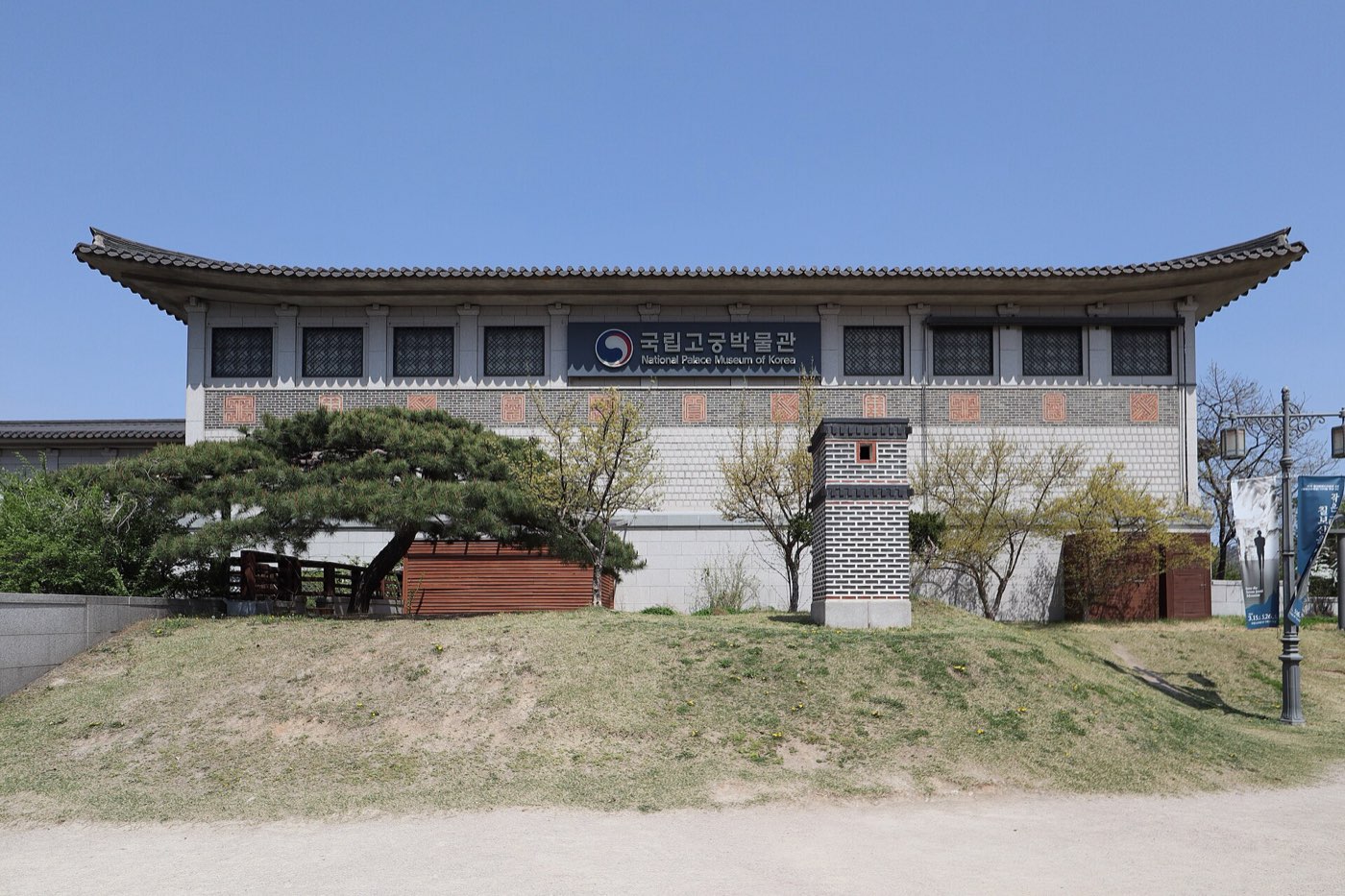
A wet day does not have to cost you the palace. Gyeongbokgung's central axis, from the main gate through the throne hall to the king's office and residences, takes about an hour and stays worth seeing under an umbrella, and its courtyards are quieter than on any sunny weekend. Then move indoors. The National Palace Museum of Korea (국립고궁박물관), at the palace's southwest corner, is free and shows the court's own objects, from royal carriages and court painting to ritual vessels and scientific instruments. It opens 09:30 to 17:30, until 21:00 on Saturdays and the last Wednesday of the month, and closes on the last Monday of each month.
On the palace's east side, the National Folk Museum of Korea (국립민속박물관) is free and explains how ordinary Koreans lived: the farming year, first birthdays, weddings and ancestral rites. It opens 9:00 to 18:00 from March to October, until 20:00 on Wednesdays, and 9:00 to 17:00 from November to February, and unlike the palace it stays open on Tuesdays. Its open-air street of 1970s and 1980s shops is less fun in the rain, and the shop interiors are closed to visitors on weekends and holidays anyway, so spend a wet visit in the indoor halls.
Together the palace axis and the two museums make a four-hour wet-weather plan that costs no more than one palace ticket. On a Tuesday, when Gyeongbokgung closes, the folk museum on its own still justifies the trip, and in a downpour the walk between its gate and Anguk or Gyeongbokgung station is the only stretch outdoors.
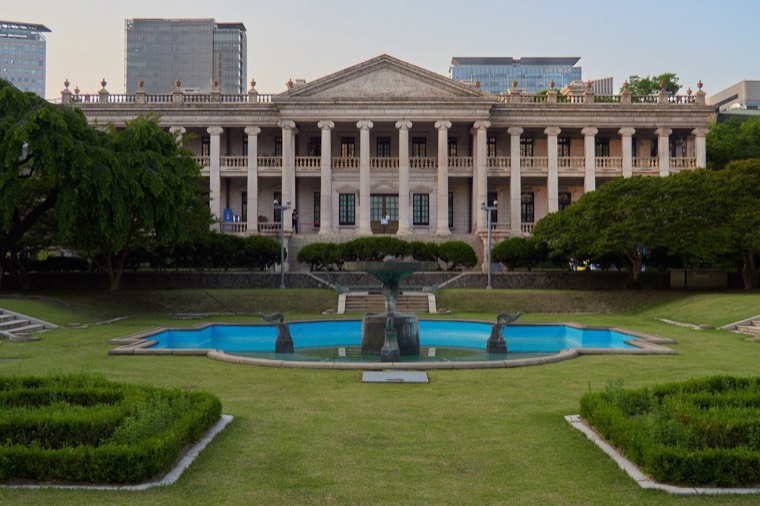
Other palace days rearrange less neatly. Changdeokgung's halls are seen from their courtyards, and the Secret Garden's earth slopes turn slippery after rain, so if you already hold a garden ticket, keep your slot, wear shoes with grip and shelter afterward in Insadong's teahouses rather than adding Changgyeonggung. Deoksugung, open until 21:00, is the palace to save for the evening of a hot day, when its compact grounds have cooled; its Western-style stone hall, Seokjojeon, can be seen indoors on a guided session booked online in advance.
Indoor performances: the Saturday concert and smaller stages
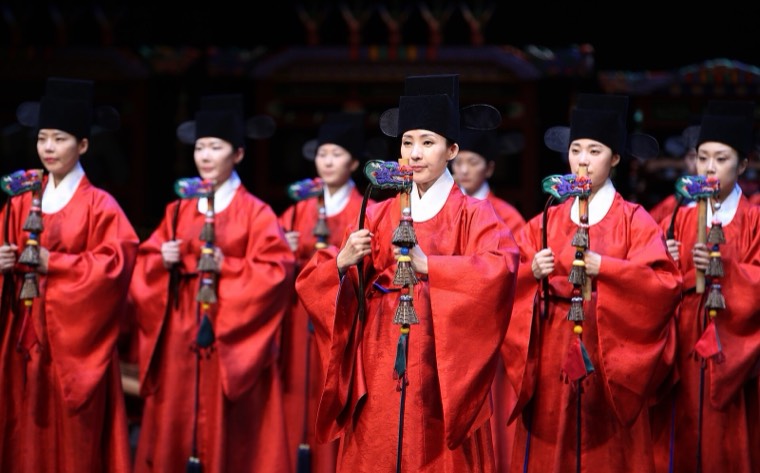
A traditional performance is one of the best uses of a wet afternoon, because music needs no translation. The National Gugak Center (국립국악원) in Seocho-gu runs its Saturday Gugak Concert (토요명품) every Saturday from 15:00 to 16:20, a sampler of court music, folk music and dance; the 2026 season runs to December 26, with A seats at 30,000 won and B seats at 20,000 won. Online booking closes at 18:00 the day before, so a rainy Saturday needs a decision on Friday, though leftover seats go on sale at the box office an hour before the show.
Closer to the palaces, Seoul's two municipal gugak halls share one website, sgtt.kr, which has an English option: Seoul Namsan Gugakdang, an underground hall beside Namsangol Hanok Village, and the smaller Seoul Donhwamun Gugakdang near Changdeokgung. Programs change week by week, so check each listing for running time, language and whether it is a rental production sold through another company. Our performance guide explains which forms, from court music to samulnori drumming, work best without any Korean.
Teahouses and heated floors: staying warm, or cool, the Korean way
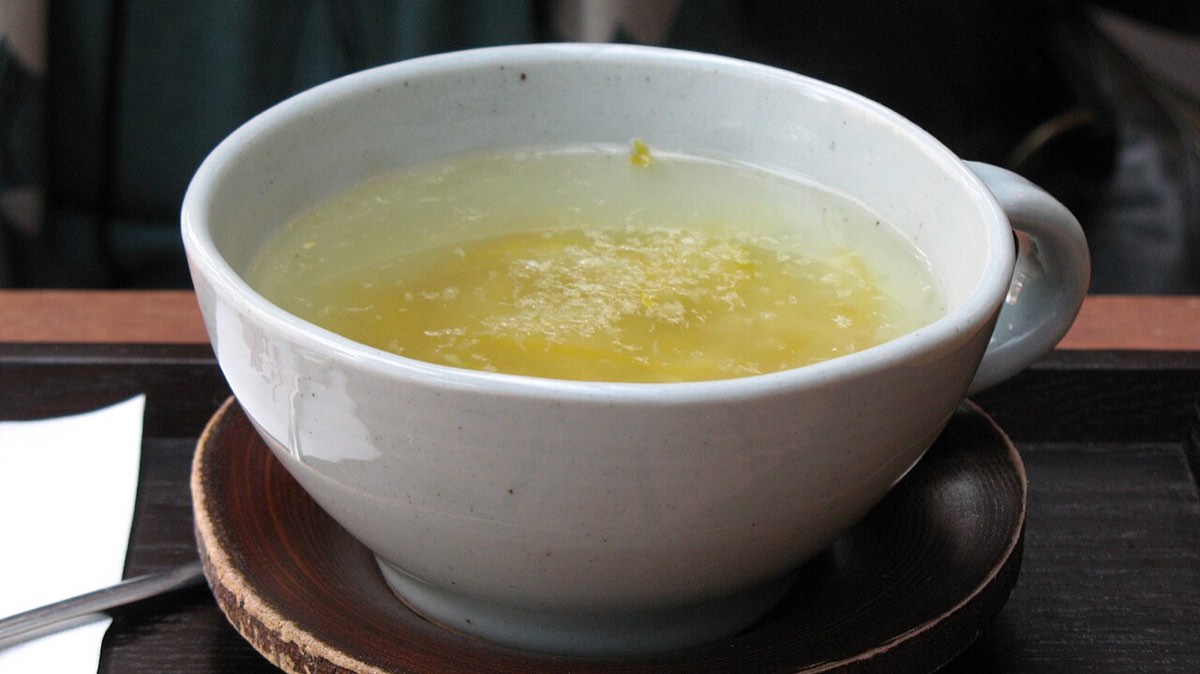
A traditional teahouse (전통찻집, jeontong chatjip) is the low-cost answer to a cold or wet afternoon in Insadong or Bukchon. Many seat you on floor cushions in hanok rooms, take an order of one drink per person and leave you alone for as long as you like. Order by the weather: yuja-cha, citron preserve stirred into hot water, or ginger tea when it is freezing; iced omija-cha, the sour-sweet 'five flavors' berry drink, when it is hot; and a pot of green tea in any season, brewed more than once. Search 전통찻집 in Naver Map or Kakao Map and check each listing's hours.
A jjimjilbang (찜질방) is the other Korean way through a freezing day. Beyond the single-sex baths, where everyone bathes nude, lies a shared floor where men and women in the provided T-shirt and shorts move between heated rooms, a snack bar and mats on a warm floor. Start in the gentler rooms before trying the hottest kiln room, drink water between rounds, and pair roasted eggs with sikhye, a sweet rice drink. On a heat-wave day the same place works in reverse, with the ice room and cold plunge as the attraction. Our jjimjilbang guide walks through the entry routine.
Swaps by area, so every dash outside is short
The trick on a bad-weather day is to stay in one district. In Jongno, Gwangjang Market (광장시장) is a covered grid of arcades whose food street VisitKorea lists as open 09:00 to 23:00 all year, even on Sundays when the market's shops close; mung-bean bindaetteok with makgeolli under the arcade roof is the classic rainy-evening order. Nearby Insadong adds teahouses, galleries, the main hall of Jogyesa temple and Museum Kimchikan, a museum of kimchi culture open Tuesday to Sunday from 10:00 to 18:00, with last entry at 17:30.
Around Gwanghwamun, Gyeongbokgung and its two museums anchor the day, and the Seoul Museum of History, beside Gyeonghuigung palace to the west, is free and open 09:00 to 18:00, with Fridays to 21:00 (the museum's English page still shows an older 22:00 closing). In Seochon, Tongin Market's covered lane fills a wet lunchtime. On the Namsan side, swap the summit walk for Namsangol's houses and a show at the underground Gugakdang, and in Yongsan the national museum covers the day on its own.
| Area | Plan the weather broke | Indoor swap | Watch for |
|---|---|---|---|
| Gwanghwamun and Gyeongbokgung | Palace courtyards, guard ceremony | National Palace Museum, National Folk Museum, Seoul Museum of History | Palace closed Tuesday; Palace Museum closed last Monday; History Museum closed Monday |
| Jongno and Insadong | Bukchon lanes, Jongmyo's open courts | Gwangjang food street, teahouses, Museum Kimchikan | Market shops closed Sunday; Kimchikan closed Monday |
| Yongsan | Any long walking day | National Museum of Korea via the underground path | Halls shut on the first Monday of March, June, September and December |
| Seocho (Saturdays) | Any outdoor afternoon | Saturday Gugak Concert at the National Gugak Center | Online booking closes at 18:00 the day before |
| Namsan and Chungmuro | Summit walk and city wall | Namsangol's houses and Namsan Gugakdang | Check sgtt.kr for the week's program |
Mondays and holidays: when the indoor plan fails
Monday is when a bad-weather plan most often breaks. Changdeokgung, Changgyeonggung and Deoksugung are closed, and so are several indoor sights: Museum Kimchikan and the Seoul Museum of History close every Monday, the National Palace Museum on the last Monday of the month, and the national museum's halls on the first Monday of March, June, September and December. What reliably opens on an ordinary Monday in the rain: the National Museum of Korea, Gyeongbokgung with its folk museum, Gwangjang's food street and a jjimjilbang.
Tuesday has its own trap, since Gyeongbokgung and Jongmyo close; put the folk museum, which opens on Tuesdays, or the national museum first. Holidays add more. The national museum closes on the Seollal and Chuseok days, and Museum Kimchikan for the whole of both holiday breaks, while the palaces stay open, opening even on their usual closing day when it falls on a holiday. A wet holiday is therefore best spent at a palace and its covered corners, then a bathhouse. The worked example below shows a wet Monday in October.
- 09:30 Walk from Ichon Station through the underground path into the National Museum of Korea (not on the first Monday of March, June, September or December).
- 09:45 The Gyeongcheonsa pagoda in the central hall, then the Silla gold crown in the ancient galleries.
- 11:00 The Room of Quiet Contemplation, then the celadon and buncheong rooms if energy remains.
- 12:30 Lunch inside the museum.
- 14:00 The National Folk Museum's indoor halls on the Gyeongbokgung grounds; walk the palace axis only if the rain eases.
- 16:30 A traditional teahouse in Samcheong-dong or Insadong for ginger or citron tea.
- 18:30 Gwangjang Market's food street for bindaetteok and makgeolli under the arcade roof.
Questions visitors ask
Is the National Museum of Korea a good rainy-day choice?
It is the best one in Seoul. An underground path links Ichon Station to the museum from 07:00 to 23:00, the permanent galleries are free, and the collection can fill a whole day. It opens 9:30 to 17:30, and until 21:00 on Wednesdays and Saturdays. Avoid the first Monday of March, June, September and December, when the halls close for maintenance.
Do Seoul's palaces close when it rains?
No. Palaces keep their normal hours in rain, and their courtyards are quieter under umbrellas. Outdoor programs such as guard ceremonies may be cancelled, and Jongmyo, which has nothing to go inside, is best left for a dry day. Pair a wet palace visit with an indoor museum nearby, such as the National Palace Museum at Gyeongbokgung's southwest corner.
What is open on a rainy Monday?
The National Museum of Korea (except on the first Monday of March, June, September and December), Gyeongbokgung with the National Folk Museum, the National Palace Museum except on the last Monday of the month, Gwangjang's food street and jjimjilbang bathhouses. Changdeokgung, Deoksugung, Museum Kimchikan and the Seoul Museum of History are closed on Mondays.
Where can I see traditional music indoors at short notice?
The National Gugak Center's Saturday Gugak Concert runs every Saturday at 15:00, but online booking closes at 18:00 the day before; leftover seats are sold at the box office from an hour before the show. On other days, check the listings for Seoul Namsan Gugakdang and Seoul Donhwamun Gugakdang on sgtt.kr, which has an English option.
Is a jjimjilbang a good idea on a very hot day?
Yes, if you use its cool side as much as its heat. In summer the ice room and the cold plunge are the attraction, and the shared floor is a calm place to sit out the hottest hours. Drink water between rounds, skip the hottest kiln rooms, and avoid alcohol beforehand, since heat and drinking are a bad mix.
Sources and method
Written for: Visitors whose Seoul plans meet a downpour, a cold snap or a heat wave and who want indoor cultural experiences worth the trip, not just shelter.
Method: Researched from the official sources listed below, checked on October 20, 2026. Hours, fees and booking rules can change; the linked official pages are the final word. Spotted something out of date? Tell us.
- National Museum of Korea — 관람안내 (visitor information)Hours 9:30–17:30, Wednesday and Saturday to 21:00, last entry 30 minutes before closing; closed January 1, Seollal day and Chuseok day; exhibition halls closed on the first Monday of March, June, September and December (December 7, 2026) with the outdoor area open; outdoor garden 7:00–22:00; backpacks in first-floor lockers.
- National Museum of Korea — Directions by subwayIchon Station (Line 4 and Gyeongui-Jungang Line) Exit 2, 150 m; Museum Nadeulgil underground path 7:00–23:00.
- National Palace Museum of Korea — General informationFree admission; 09:30–17:30, until 21:00 on Saturdays and the last Wednesday of the month; closed on the last Monday of each month; galleries on royal life, carriages, court painting, ritual and science.
- National Folk Museum of Korea — Visiting (English)Free admission; March–October 9:00–18:00 with Wednesdays to 20:00, November–February 9:00–17:00; closed January 1, Seollal day and Chuseok day; interiors of the outdoor exhibition buildings closed on weekends and public holidays.
- Royal Palaces and Tombs Center (Korea Heritage Service) — Visiting hoursGyeongbokgung closed Tuesdays and last entry 16:00 from November to February; Changdeokgung, Changgyeonggung and Deoksugung closed Mondays; Deoksugung and Changgyeonggung 09:00–21:00, last entry 20:00; holiday rule for closing days. Seokjojeon at Deoksugung entered by advance online booking.
- National Gugak Center — 2026 토요명품 (Saturday Gugak Concert) listingEvery Saturday, 15:00–16:20, January 3–December 26, 2026; A seats 30,000 won, B seats 20,000 won; online booking closes 18:00 the day before; leftover seats at the box office from one hour before.
- Museum Kimchikan (official site)Open Tuesday–Sunday 10:00–18:00, last entry 17:30; closed every Monday, January 1, the Seollal and Chuseok holiday periods, and December 25.
- Seoul Museum of History — Visitor's Information09:00–18:00, last admission 17:30; Friday operating hours extended to 22:00; closed January 1 and every Monday; free admission.
- Korea Meteorological Administration — 기상특보 발표기준 (special weather report criteria)Heat-wave advisory: daily maximum feels-like temperature of 33°C or more expected for 2+ days (warning 35°C). Cold-wave advisory (October–April): morning low falling 10°C or more from the previous day to 3°C or lower and 3°C below normal, or morning lows of −12°C or below expected for 2+ days.
- VisitKorea (Korea Tourism Organization) — Gwangjang MarketMarket 09:00–18:00, closed Sundays; food street 09:00–23:00, open all year; cards accepted.