In shortMost Korean dish names are an ingredient followed by a cooking method, so about fifteen endings, such as 찌개 (stew), 구이 (grilled), 볶음 (stir-fried) and 전 (pancake), let you read most of a menu. Check the portion words 인분 and 2인분 이상, ask 이거 매워요? before ordering, and assume kimchi and clear broths may contain seafood until someone tells you otherwise.
Key facts
- How dish names work
- Ingredient + cooking method: 고등어 + 구이 = grilled mackerel
- Soup words
- 국/탕 = more broth; 찌개 = less broth, thicker; 전골 = shared hot pot
- Portion word
- 인분 (inbun); 2인분 이상 = two-portion minimum
- Extra rice
- 공기밥 (gonggibap); the dictionary spells it 공깃밥
- Spice question
- 이거 매워요? (igeo maewoyo?) = Is this spicy?
- Allergen labels
- Legally required only at franchise chains with 50+ outlets
- Hidden seafood
- 젓갈 (jeotgal) in kimchi; 멸치 (myeolchi, anchovy) in some broths
- Menu prices
- Final price with VAT and service included; no tipping
Checked Oct 20, 2026 against the official sources listed at the end of this guide.
Most dish names are an ingredient plus a cooking method
A Korean menu looks impenetrable until you notice that most dish names are built the same way: what goes in, then how it is cooked. 고등어구이 (godeungeo gui) is mackerel plus grilled. 오징어볶음 (ojingeo bokkeum) is squid, stir-fried. 김치찌개 (gimchi jjigae) is kimchi stew, and 갈비찜 (galbijjim) is braised short ribs. Read the last syllable or two first, because the ending tells you the format of the dish: how much liquid it has, whether it is grilled, fried or simmered, and roughly how it will arrive at the table.
Modifiers go in front. 매운 (maeun) means spicy, 해물 (haemul) seafood, 돼지 (dwaeji) pork, 소고기 (sogogi) beef, 닭 (dak) chicken, 버섯 (beoseot) mushroom and 두부 (dubu) tofu. So 해물파전 (haemul pajeon) is a seafood and green-onion pancake, and 버섯전골 (beoseot jeongol) a mushroom hot pot. Some names are fixed phrases that ignore the pattern, and the standard dictionary admits as much: 매운탕 (maeuntang) ends in tang, a word for soup, yet the dictionary defines it as a spicy stew with chili paste stirred in, the category Koreans call jjigae.
Menus are usually grouped by purpose. 식사 (siksa) means meals, the rice and noodle dishes that make a lunch or dinner; 안주 (anju), which the dictionary defines as food eaten with alcohol, means plates meant to go with drinks, usually shared. 주류 (juryu) is alcohol and 음료 (eumnyo) soft drinks. Small restaurants often post the whole menu on the wall, with 추천 (chucheon, recommended) or 대표 메뉴 (daepyo menyu, signature dish) marking what the kitchen is proud of. A short menu is usually a sign of focus, not a lack of choice.
Fifteen endings that tell you how a dish is cooked
These endings cover most of what appears on an ordinary menu, and the soup family needs the most care. The Encyclopedia of Korean Culture separates boiled dishes by how much liquid they hold: 국 (guk) and 탕 (tang) have plenty of broth, while 찌개 (jjigae) has less and is seasoned with soybean paste or chili paste, so it is thicker, more strongly seasoned and meant to be eaten with rice. The standard dictionary lists tang as the honorific form of guk, and in practice tang tends to name heartier soups such as 갈비탕 (galbitang) and 삼계탕 (samgyetang).
Two other pairs confuse newcomers. 찜 (jjim) covers both steaming and cooking in very little liquid, so 갈비찜 is a glossy braise rather than a steamed dish. 조림 (jorim) means simmering something down until almost no liquid remains, which gives the sweet, salty glaze of 감자조림 (gamja jorim), braised potatoes. 전골 (jeongol) differs from 찌개 mainly in how it is served: ingredients arranged in a wide pot with a little broth, often finished on a burner at your table, and meant for sharing.
| Ending | Romanization | Meaning | What to expect |
|---|---|---|---|
| 구이 | gui | grilled | Meat or fish grilled, often seasoned first: 생선구이 (saengseon gui), grilled fish |
| 볶음 | bokkeum | stir-fried | Pan-fried with seasoning, often red: 제육볶음 (jeyuk bokkeum), spicy pork |
| 찜 | jjim | steamed or braised | Cooked in steam or very little liquid: 갈비찜 (galbijjim) |
| 조림 | jorim | simmered down | Cooked until the sauce clings: 감자조림 (gamja jorim) |
| 무침 | muchim | dressed | Vegetables, dried fish or seaweed tossed in seasoning, usually a side dish |
| 전 | jeon | pan-fried in batter | Floured slices fried flat: 파전 (pajeon), 모둠전 (modumjeon, assorted) |
| 튀김 | twigim | deep-fried | Battered and fried; a snack-shop staple |
| 국 | guk | soup | Plenty of broth, served with rice: 미역국 (miyeokguk), seaweed soup |
| 탕 | tang | soup | Often a heartier, long-cooked main: 삼계탕 (samgyetang) |
| 찌개 | jjigae | stew | Less broth, strong seasoning, served bubbling: 된장찌개 (doenjang jjigae) |
| 전골 | jeongol | hot pot | A wide shared pot finished at the table: 버섯전골 (beoseot jeongol) |
| 국밥 | gukbap | soup with rice | One bowl per person: 돼지국밥 (dwaeji gukbap) |
| 비빔 | bibim | mixed | Stirred together with sauce: 비빔밥 (bibimbap) |
| 회 | hoe | raw | Raw fish or seafood: 회덮밥 (hoedeopbap), raw fish over rice |
| 냉 | naeng | cold | Served chilled: 냉면 (naengmyeon), cold noodles |
Ingredient words, including the ones that surprise people
A handful of nouns covers most proteins: 돼지고기 (dwaejigogi, pork), 소고기 (sogogi, beef), 한우 (hanu, Korean native beef), 닭 (dak, chicken), 오리 (ori, duck), 생선 (saengseon, fish), 오징어 (ojingeo, squid), 낙지 (nakji, small octopus), 새우 (saeu, shrimp), 조개 (jogae, clams) and 굴 (gul, oysters). For vegetables and staples, learn 두부 (dubu, tofu), 버섯 (beoseot, mushroom), 감자 (gamja, potato), 콩나물 (kongnamul, soybean sprouts), 나물 (namul, seasoned greens) and 계란 (gyeran, egg).
Then there is a short list of words for cuts and dishes that many visitors would rather know about in advance: 순대 (sundae, blood sausage), 곱창 (gopchang, small intestines), 선지 (seonji, congealed blood), 내장 (naejang, offal), 족발 (jokbal, braised pig's trotters) and 홍어 (hongeo, skate, often fermented). These are prized dishes, not traps, and several are worth trying. If you would rather not, these are the words to scan for.
Many menus also carry a small origin panel, 원산지 (wonsanji), listing where the main ingredients come from; our barbecue guide explains how to read it for beef and pork. Do not assume a familiar word settles the dish, either: 갈비 (galbi) simply means ribs, so look for 소 (so, beef) or 돼지 (dwaeji, pork) in front of it before you order.
Reading the heat before it reaches the table
Spice is usually announced in the name or the ingredients. Look for 매운 (maeun, spicy), 얼큰한 (eolkeunhan, hot in a warming, hearty way) and 칼칼한 (kalkalhan, sharply hot), and for the ingredients that carry the heat: 고추장 (gochujang, chili paste), 고춧가루 (gochutgaru, chili flakes) and 청양고추 (Cheongyang gochu, a small, very hot green chili). Mild cues are 순한맛 (sunhanmat, mild flavor), 맑은 (malgeun, clear, meaning a broth without chili) and 백김치 (baekgimchi, white kimchi made without chili flakes).
Some places print heat levels, often under 맵기 조절 (maepgi jojeol, adjustable heat), with steps such as 순한맛, 보통 (botong, regular) and 매운맛 (maeunmat, spicy). If chili heat is new to you, order one step milder than you think you need, because the regular level is set for local tastes. Red color is not a perfect guide either: chili flakes can be mild, and a pale broth can hide sliced green chilies.
To ask, say 이거 매워요? (igeo maewoyo?, is this spicy?) before you order, not after it arrives. Then 덜 맵게 해 주세요 (deol maepge hae juseyo) asks for less heat and 안 맵게 해 주세요 (an maepge hae juseyo) for none. A kitchen cannot take the chili out of a dish whose sauce is built on it, such as tteokbokki or jeyuk bokkeum, so for those the honest answer may be no. Choose a clear soup instead: 설렁탕 (seolleongtang), 갈비탕 and 삼계탕 all arrive without chili.
Portions, rice and the small print around the price
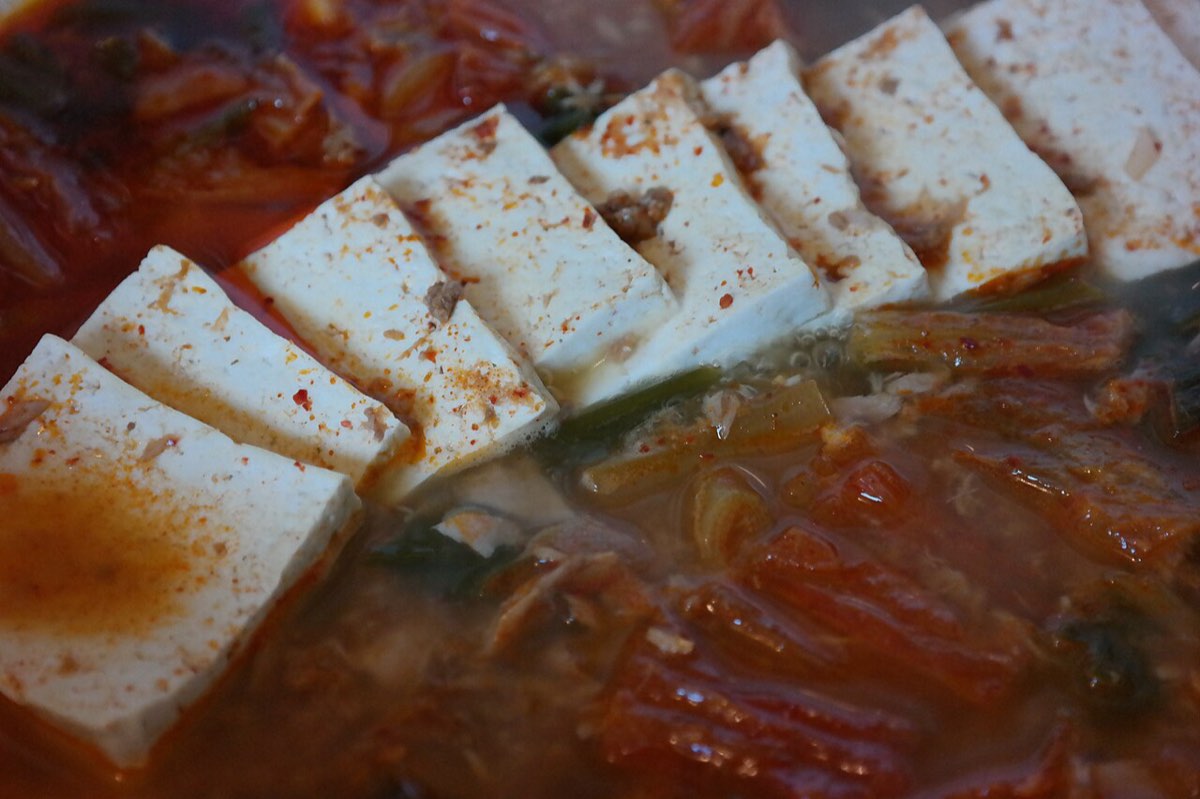
Grilled meat and many stews are sold by the portion, 인분 (inbun). A sign reading 2인분 이상 (iinbun isang) means the kitchen will not cook fewer than two portions per order. The Korea JoongAng Daily found diners turned away when eating alone at barbecue and kimchi-stew restaurants, and the Fair Trade Commission told the paper this is the owner's decision. Look for 1인분 가능 (irinbun ganeung) or 1인 가능 (irin ganeung), which welcome solo orders. Shared dishes often come in 소, 중 and 대 (so, jung, dae: small, medium, large); ask 몇 인분이에요? (myeot inbunieyo?) to learn how many each size feeds.
Rice is a separate line more often than visitors expect. 공기밥 (gonggibap) is a bowl of steamed rice, ordered when a dish does not include it, typically with grilled meat or a shared stew. The standard dictionary spells it 공깃밥, with an extra ㅅ, but nearly every menu writes 공기밥, and both mean the same bowl. 사리 (sari), which the dictionary defines as a coiled bundle of noodles, is the add-in you drop into a stew or hot pot: 라면사리 (ramyeon sari) for instant noodles, 우동사리 (udong sari) for thick wheat noodles. 추가 (chuga) means extra, as in 치즈 추가 (chijeu chuga), add cheese.
Two price rules work in your favor. Seoul's food safety office requires restaurants to show the final price, with VAT and any service charge included, so the menu price is what you pay and no tip is expected. Meat for the grill must be priced per 100 grams, with any per-portion price shown beside its weight. Watch for 시가 (siga), which the dictionary defines as market price: on a seafood menu it means the price moves with the day's catch, so ask before ordering. 곱빼기 (gopppaegi) at a noodle shop is a double portion in one bowl.
| On the menu | Romanization | Meaning | What to expect |
|---|---|---|---|
| 1인분 | irinbun | one portion | The unit for grilled meat and many stews |
| 2인분 이상 | iinbun isang | two portions minimum | Common at barbecue and stew houses; solo diners order two or go elsewhere |
| 1인 가능 | irin ganeung | single diners OK | A signal that a one-person order is welcome |
| 소 / 중 / 대 | so / jung / dae | small / medium / large | Sharing sizes; ask how many people each feeds |
| 곱빼기 | gopppaegi | double portion | One big bowl at noodle and jjajangmyeon shops |
| 공기밥 | gonggibap | a bowl of rice | Ordered separately when a dish has no rice |
| 사리 | sari | noodle add-in | Noodles added to a stew or hot pot |
| 추가 | chuga | extra | An add-on, usually charged |
| 셀프 | selpeu | self-service | Water, side dishes or rice from a station |
| 포장 | pojang | takeout | 포장 돼요? (pojang dwaeyo?) asks if you can take it away |
| 시가 | siga | market price | The price changes daily; ask first |
| 정식 | jeongsik | set meal | A main dish with a fixed set of side dishes |
| 세트 | seteu | set or combo | Chain-style bundles of dishes |
| 점심특선 | jeomsim teukseon | lunch special | Available at lunch hours only |
Which kind of restaurant you have walked into
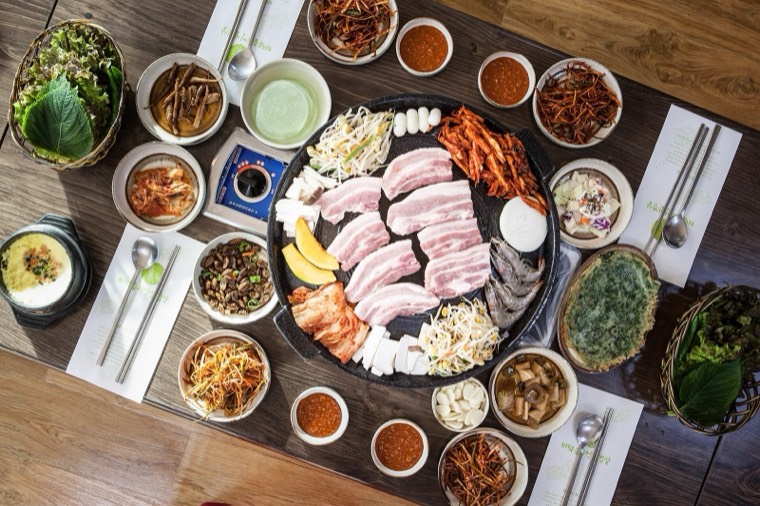
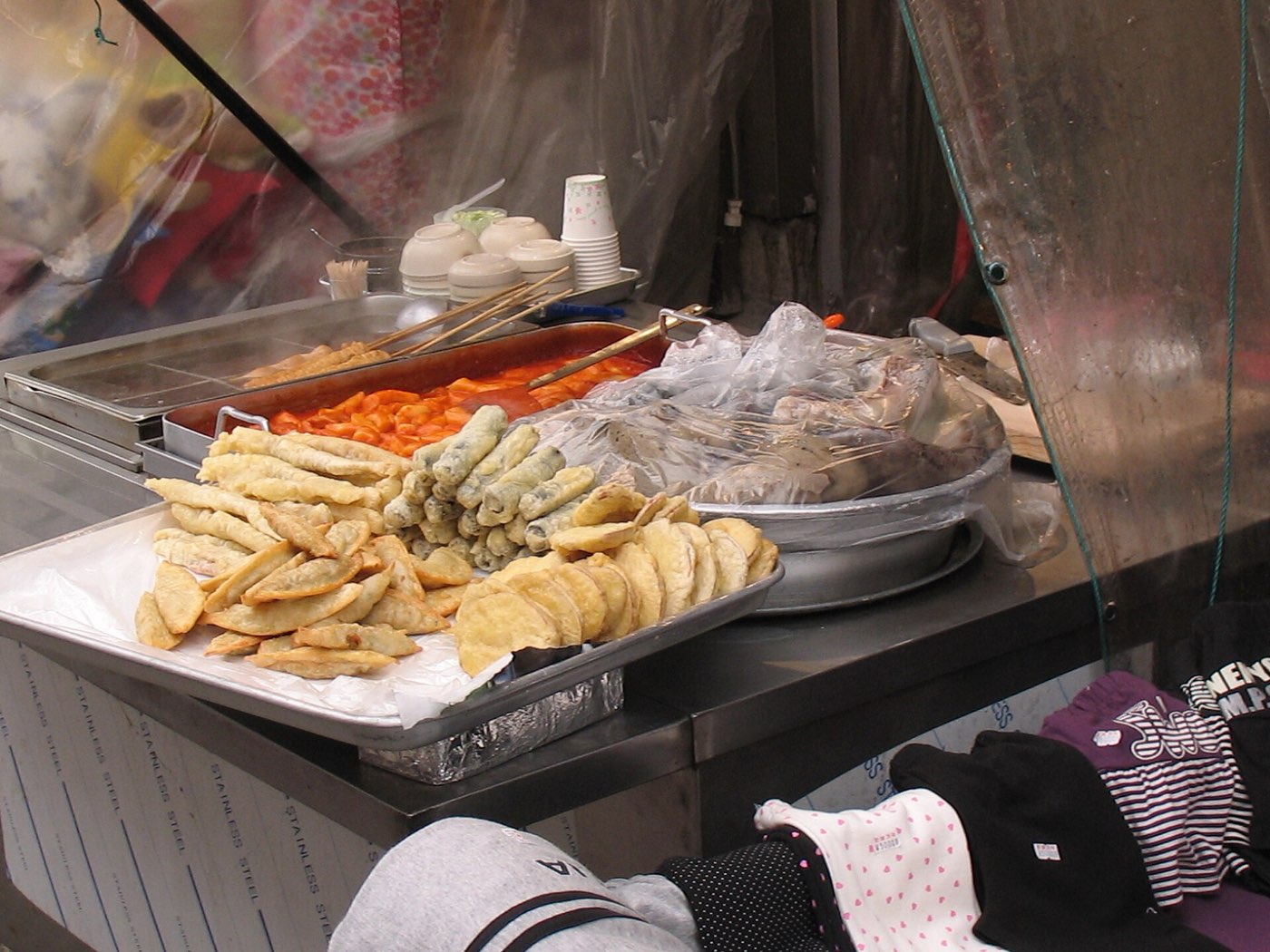
The sign outside tells you how to order before you see a menu. A 분식집 (bunsikjip) is a snack shop; the dictionary defines 분식 as food made from flour, and the menu runs to gimbap, tteokbokki, ramyeon and dumplings, ordered by the item and eaten fast. A 국밥집 (gukbapjip) serves soup with rice, one bowl per person, which makes it the simplest solo meal in Seoul. A 고깃집 (gogitjip) is a barbecue house with grills at the table and, often, portion minimums.
At the formal end, 한정식 (hanjeongsik), which the dictionary describes as a set meal of many dishes based on the traditional Korean table, arrives as a full spread; check whether the listed price is per person or per table before you sit. The everyday cousin is 정식 (jeongsik), a main dish with a fixed set of side dishes. The dictionary notes that its price depends on how many side dishes come with it, which is why one menu can list two or three grades of the same 정식.
포장마차 (pojangmacha) shows how a word drifts: its first dictionary sense is a canvas-covered wagon, but on the street it means a tented stall or small bar where the menu is mostly 안주 to share over soju. Order one or two plates for the table rather than one dish each. The same rule suits most places with an anju section: dishes there are sized for the group.
| Sign | Romanization | What it is | How ordering works |
|---|---|---|---|
| 분식집 | bunsikjip | Snack shop for flour-based food | Order by the item; quick, cheap, good alone |
| 국밥집 | gukbapjip | Soup-and-rice house | One bowl each; easiest for solo diners |
| 고깃집 | gogitjip | Barbecue house | Order by 인분; often a two-portion minimum |
| 한정식 | hanjeongsik | Multi-dish Korean set meal | Check whether prices are per person; suits a group |
| 횟집 | hoetjip | Raw-fish restaurant | Prices may read 시가; confirm before ordering |
| 포장마차 | pojangmacha | Tented stall or small bar | Shared 안주 plates with drinks |
Allergies, vegetarian diets and the seafood you cannot see
Labeling will not do the work for you. Under the enforcement decree of Korea's special act on children's dietary safety, the duty to display allergen information falls on franchise chains with 50 or more outlets, for the children's foods the law covers. A neighborhood stew house or market stall is not required to post anything. Plan to ask, and carry your allergen written in Korean: 땅콩 (ttangkong, peanut), 호두 (hodu, walnut), 잣 (jat, pine nut), 밀 (mil, wheat), 메밀 (memil, buckwheat), 대두 (daedu, soybean), 우유 (uyu, milk), 계란 (gyeran, egg), 새우 (saeu, shrimp), 게 (ge, crab), 조개 (jogae, shellfish) or 참깨 (chamkkae, sesame).
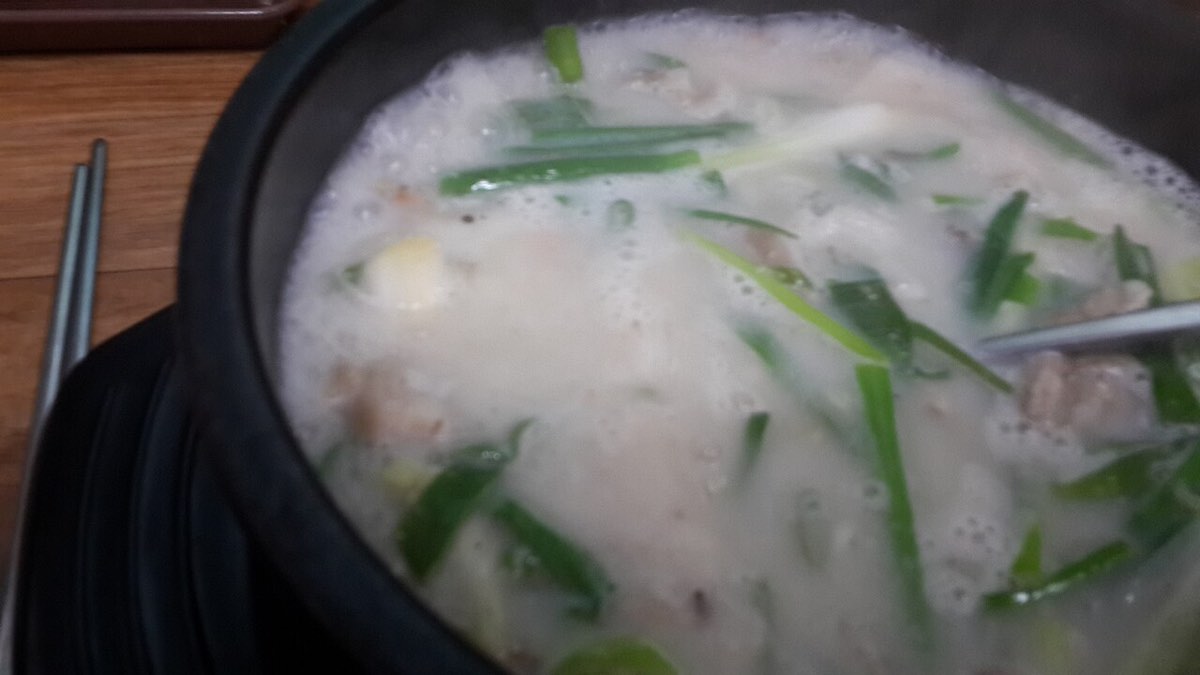
Some risks are built into the cuisine. UNESCO's description of kimjang, the kimchi-making tradition, describes kimchi as vegetables seasoned with spices and fermented seafood, so ordinary kimchi is rarely vegetarian. The words to know are 젓갈 (jeotgal, salted fermented seafood), 액젓 (aekjeot, the fish sauce strained from it) and 새우젓 (saeujeot, salted shrimp). Clear soups are not safe by default either: VisitKorea describes Gwangjang Market's knife-cut noodles as served in clear anchovy broth, and 멸치 (myeolchi) means anchovy. 메밀 in a name, as in 메밀국수 (memil guksu), signals buckwheat, and the encyclopedia lists barley among the grains used to make gochujang.
A few sentences cover most situations: 저는 고기를 안 먹어요 (jeoneun gogireul an meogeoyo, I don't eat meat), 이거 고기 들어가요? (igeo gogi deureogayo?, is there meat in this?), 육수는 뭘로 만들어요? (yuksuneun mwollo mandeureoyo?, what is the stock made from?) and, after your allergen, 알레르기가 있어요 (allereugiga isseoyo, I have an allergy). Ask about fish and anchovy separately, because a dish can be free of meat and still use a seafood stock or fish sauce.
For strict vegetarians, the most reliable option is temple cuisine: search 사찰음식 (sachal eumsik) on a map app for restaurants specializing in it, a tradition the Korea Herald describes as plant-based and rooted in respect for all life. Otherwise, choose dishes you can strip down, such as bibimbap with 고기하고 계란 빼 주세요 (gogihago gyeran ppae juseyo, without meat and egg), and leave the kimchi aside. Our Buddhist temples guide explains where temple food comes from.
Why the English spelling on a menu rarely matches
English menus in Seoul mix several spelling systems, which is why one dish can appear as kimchi, gimchi or kimchee. This guide uses the Revised Romanization of Korean, the official system published by the National Institute of Korean Language. It spells by pronunciation rather than letter by letter. An initial ㄱ is written g, so 김치 becomes gimchi, though kimchi is the established English word and you will see both. A final ㄱ, ㄷ or ㅂ becomes k, t or p, and sounds that change where syllables meet are written as heard, so 국물 (broth) is gungmul.
Two more rules explain the oddities. Tense sounds that arise inside compound words are not marked, so 공기밥 is gonggibap even though it sounds closer to gonggi-ppap, and 떡볶이 is tteokbokki. A hyphen may be added where syllables could split two ways, which is why some guides, ours included, write 두 명이요 as du myeong-iyo. If the romanization on a sign does not match this guide letter for letter, sound it out, since pronunciation is what staff recognize. Better still, point at the Hangul.
Ordering at a stew restaurant, start to finish
Here is how a weeknight dinner for two runs at a neighborhood restaurant serving stews and pancakes. Staff ask 몇 분이세요? (myeot buniseyo?, how many?); you answer 두 명이요 and sit where they point. Read the wall: 식사 on one side, 안주 on the other. You want kimchi stew and a pancake, so you call 저기요 (jeogiyo) and point: 김치찌개 2인분하고 해물파전 하나 주세요 (gimchi jjigae iinbunhago haemul pajeon hana juseyo), two portions of kimchi stew and one seafood pancake.
Before the order goes in, ask 이거 많이 매워요? (igeo mani maewoyo?, is this very spicy?) and add 덜 맵게 해 주세요 if needed. If the stew arrives with rice in steel bowls, you are set; if not, order 공기밥 두 개 (gonggibap du gae), two bowls of rice. Halfway through, 라면사리 추가해 주세요 (ramyeon sari chugahae juseyo) adds noodles to the pot. Finish with 계산해 주세요 (gyesanhae juseyo) at the counter and 잘 먹었습니다 (jal meogeotseumnida) on the way out. Our table manners guide covers the courtesies in between.
Questions visitors ask
What is the difference between jjigae, guk and tang?
In the Encyclopedia of Korean Culture's account, guk and tang are boiled dishes with plenty of broth, while jjigae has less broth and is seasoned with soybean paste or chili paste, so it is thicker and saltier. The standard dictionary treats tang as the honorific word for guk. Names are not always consistent: maeuntang is defined as a jjigae despite its name.
How do I ask for food that is not spicy?
Ask 이거 매워요? (igeo maewoyo?, is this spicy?) before ordering, then 덜 맵게 해 주세요 (deol maepge hae juseyo) for less heat or 안 맵게 해 주세요 (an maepge hae juseyo) for none. If the sauce is built on chili paste, the kitchen may not be able to change it, so pick a clear soup such as galbitang or seolleongtang.
Is kimchi vegetarian?
Usually not. UNESCO's description of the kimjang tradition presents kimchi as vegetables seasoned with spices and fermented seafood, such as salted shrimp or anchovies. Temple-cuisine restaurants, which cook plant-based food, are the likeliest places to find kimchi without seafood. To check, ask 젓갈 들어가요? (jeotgal deureogayo?), meaning 'does it contain salted seafood?'
Do Korean restaurants list allergens on the menu?
Only some are required to. The legal duty to display allergen information applies to franchise chains with 50 or more outlets, for the children's foods covered by the law. Independent restaurants and market stalls have no such duty, so ask directly and show your allergen written in Korean.
What does 공기밥 mean on a menu?
A bowl of steamed rice, ordered separately when a dish does not come with rice, as at barbecue houses or with a shared stew. The standard dictionary spells it 공깃밥, but menus nearly always write 공기밥, romanized gonggibap. Say 공기밥 하나 주세요 (gonggibap hana juseyo) for one bowl.
Why does a menu say 2인분 이상?
It means the minimum order is two portions, which is common at barbecue and stew restaurants. Turning away solo diners is the owner's call under Korean fair-trade rules. Look for 1인분 가능 or 1인 가능 if you are eating alone, choose a soup-and-rice or snack shop, or simply order two portions.
Sources and method
Written for: Visitors who cannot read Korean yet and want to order confidently in ordinary Seoul restaurants, including travelers with allergies or vegetarian diets.
Method: Researched from the official sources listed below, checked on October 20, 2026. Hours, fees and booking rules can change; the linked official pages are the final word. Spotted something out of date? Tell us.
- National Institute of Korean Language — Romanization of KoreanRevised Romanization rules used for every term: pronunciation-based spelling, g/k and r/l alternation, assimilation (e.g. Jongno), unmarked tensification in compounds, optional hyphen for ambiguous syllable breaks.
- National Institute of Korean Language — Standard Korean Language Dictionary (표준국어대사전)Definitions checked for 구이, 볶음, 찜, 조림, 무침, 전(煎), 튀김, 국, 탕 (honorific of 국), 전골, 국밥, 비빔밥, 매운탕 (a gochujang jjigae), 안주, 분식, 한정식, 정식 (price varies with side dishes), 공깃밥, 사리, 곱빼기, 시가 (market price), 포장마차 (sense 1: covered wagon), 젓갈, 액젓, 순댓국, 국물.
- Encyclopedia of Korean Culture (Academy of Korean Studies) — 찌개 (jjigae)Guk and tang have more broth than jjigae; jjigae seasoned with gochujang or doenjang and classified by ingredient or seasoning; gochujang made from glutinous rice, rice or barley with fermented soybean powder, chili and salt.
- UNESCO Intangible Cultural Heritage — Kimjang, making and sharing kimchi in the Republic of KoreaKimchi described as vegetables seasoned with spices and fermented seafood; households salt and ferment shrimp, anchovy and other seafood; inscribed 2013.
- National Law Information Center — Enforcement Decree of the Special Act on Safety Management of Children's Dietary Life, Article 8Nutrition and allergen display duty applies to restaurant, snack-bar and bakery businesses run as franchises with 50 or more outlets including directly run stores (decree in force from May 12, 2026).
- Seoul Metropolitan Government Food Safety Information — Restaurant price display system (음식점 등 가격표시제)Menu prices must be the final amount including VAT and service charges; meat priced per 100 g, with an optional per-portion price shown with its weight.
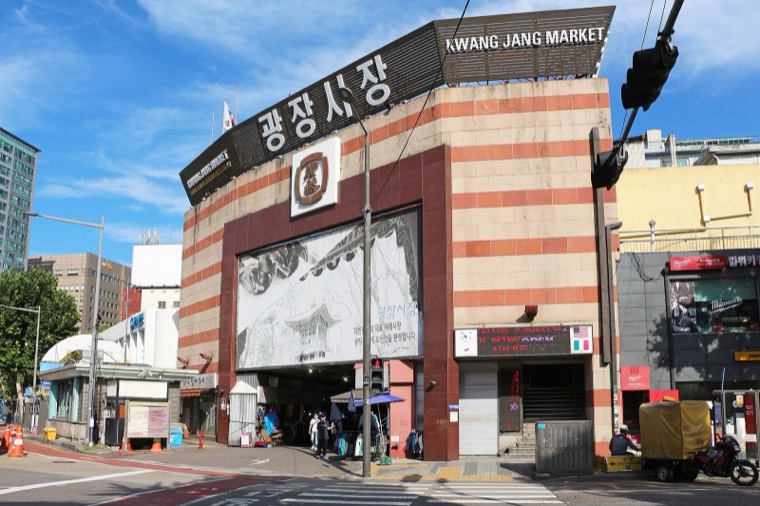
- VisitKorea (Korea Tourism Organization) — Guided morning walk to Gwangjang Market featureDescribes the market's kalguksu as chewy noodles in clear anchovy broth.
- Korea JoongAng Daily — Solo diners are on the rise, but restaurants still say 'no soup for you' (Sept. 10, 2025)Solo diners turned away at barbecue and kimchi-stew restaurants or made to order two meals; Fair Trade Commission says it is the owner's discretion; some barbecue places adding single portions.
- The Korea Herald — Korean temple food as a sustainable culinary culture (Nov. 27, 2025)Describes temple food as plant-based in preparation and rooted in respect for all life, following its designation as National Intangible Cultural Heritage.