In shortSeollal (Lunar New Year) falls on Sunday, February 7, 2027, with the public holiday running February 6 to 9; Chuseok falls on Wednesday, September 15, 2027, with the holiday September 14 to 16. Seoul empties rather than fills: intercity transport is packed, the royal palaces opened free over both 2026 holidays, and many family-run restaurants close, so book transport early and plan your meals.
Key facts
- Seollal 2027
- Sun Feb 7; holiday Sat Feb 6 to Tue Feb 9 (Feb 9 substitute)
- Chuseok 2027
- Wed Sep 15; holiday Tue Sep 14 to Thu Sep 16
- Korean names
- 설날 (Seollal); 추석 (Chuseok), also 한가위 (Hangawi)Naver Map
- Palace admission over the holidays
- Free in both 2026 holidays; Secret Garden excluded
- National Folk Museum
- Closed on Seollal and Chuseok days themselves
- New public holidays
- Labor Day (May 1) and Constitution Day (July 17), designated April 2026
- Official calendar source
- Korea AeroSpace Administration 2027 almanac, June 29, 2026
Checked Oct 20, 2026 against the official sources listed at the end of this guide.
Why the dates move every year
Seollal (설날) and Chuseok (추석, also called 한가위, Hangawi) are fixed to the lunar calendar, so their solar dates shift from year to year. Seollal is the first day of the first lunar month; Chuseok is the fifteenth day of the eighth, the harvest full moon. Each is a three-day public holiday covering the day before, the day itself and the day after. When one of those days lands on a Sunday or on another holiday, the government adds a substitute holiday (대체공휴일, daechegonghyuil) on the next working day, which is why the 2027 Seollal break runs four days.
Both holidays exist to bring families together, and that is what shapes a visitor's experience. Huge numbers of people leave the capital for their parents' or grandparents' hometowns, so Seoul becomes noticeably quieter while highways, trains and terminals strain. For a traveler the result is an unusual mix: calmer palaces and subways, hard-to-find intercity seats, and many family-run kitchens shut for the day. Plan for all three and the holiday becomes one of the more interesting times to be in the city.
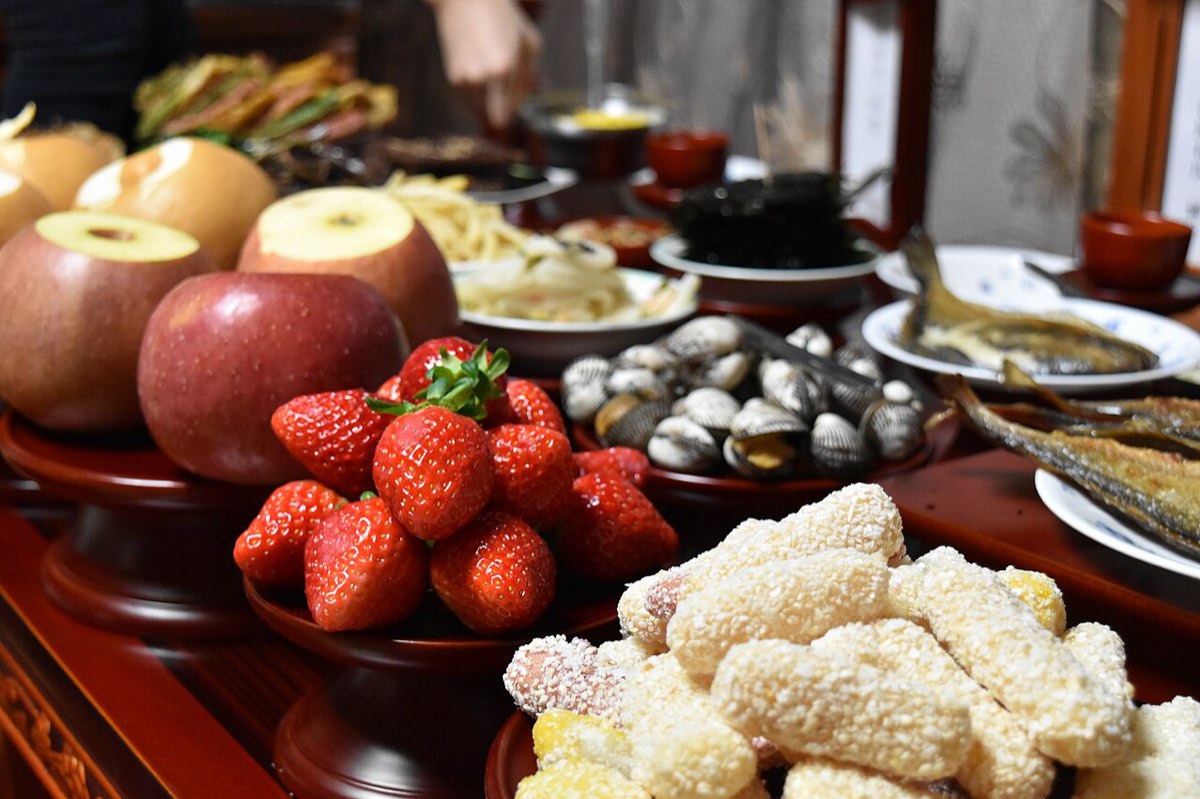
Inside the family day: charye, sebae and the foods that mark it
The holiday morning traditionally begins with charye (차례), a rite in which the family lays out food for its ancestors and bows before the table. It grows out of Confucian ancestor worship, which treated serving the dead as a central duty of descendants. Many families also make seongmyo (성묘), a visit to the ancestral graves; for Seollal 2026, Seoul added extra trips on the bus routes serving Manguri Cemetery in Jungnang-gu. The National Folk Museum notes that these rites are changing as beliefs diversify, while the core idea of honoring ancestors and wishing descendants well has held.
Seollal adds sebae (세배), the deep New Year's bow that children and younger relatives make to their elders, with the greeting 새해 복 많이 받으세요 (saehae bok mani badeuseyo), 'receive many New Year blessings.' Elders answer with good wishes and sebaetdon (세뱃돈), New Year's money, often in crisp new notes. The dish of the day is tteokguk (떡국), a clear soup of sliced rice cake; eating a bowl is said to add a year to your age. Families then gather for yutnori (윷놀이), a board game decided by throwing four wooden sticks.
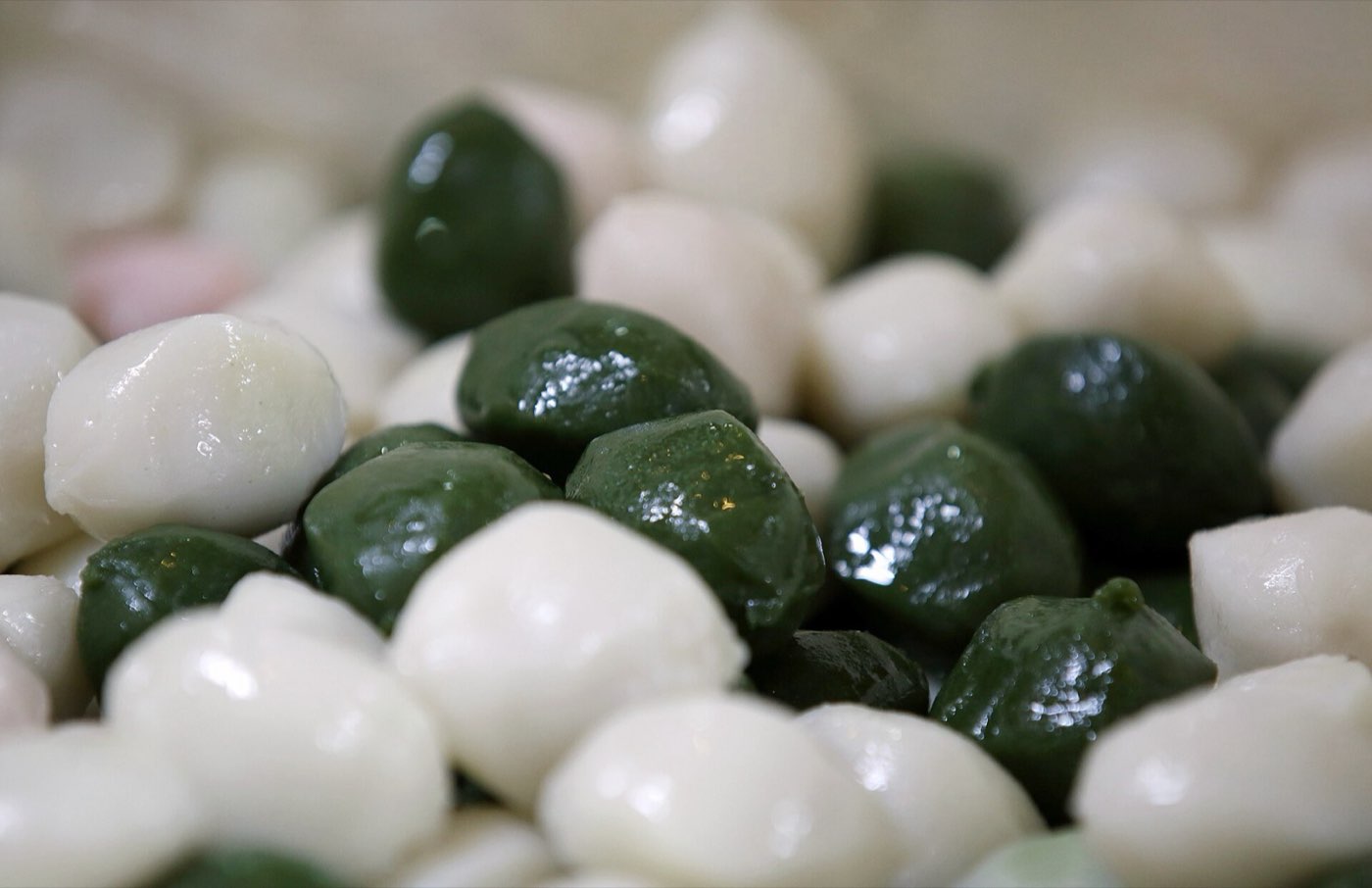
Chuseok is the harvest counterpart. Its signature food is songpyeon (송편), small half-moon rice cakes steamed over pine needles, and its traditional entertainments include ssireum (씨름) wrestling and ganggangsullae (강강술래), a circle dance under the full moon. If you are invited into a Korean home over either holiday, bring a modest gift such as fruit, accept the food you are offered, and ask before photographing the ancestral table. It is a family rite, not a display, and asking first is the respectful default.
The official 2027 holiday calendar
The Korea AeroSpace Administration (우주항공청, KASA), which publishes the country's official calendar almanac each year, released the 2027 edition on June 29, 2026. It places Seollal on Sunday, February 7, with the holiday from Saturday, February 6 to Tuesday, February 9, the last day being a substitute. Chuseok falls on Wednesday, September 15, with the holiday from September 14 to 16. The almanac also reflects a 2026 change: Labor Day (May 1) and Constitution Day (July 17) became public holidays in April 2026, and because both fall on Saturdays in 2027, each gets a Monday substitute.
For travelers the important pattern is the run of long weekends. The almanac counts ten breaks of three days or more in 2027, six of them Saturday-to-Monday weekends created by substitute holidays. Each one fills domestic trains and popular day-trip destinations, and Seoul's palaces see more local families than usual. None disrupts the city the way Seollal and Chuseok do, but if you plan a trip out of Seoul, check the table before you pick your travel days.
| Date (2027) | Holiday | Notes |
|---|---|---|
| Fri Jan 1 | New Year's Day (신정) | Three-day weekend Jan 1-3 |
| Sat Feb 6 - Tue Feb 9 | Seollal (설날) | Seollal itself is Sun Feb 7; Feb 9 is a substitute holiday |
| Mon Mar 1 | Independence Movement Day (삼일절) | Three-day weekend Feb 27 - Mar 1 |
| Sat May 1, Mon May 3 | Labor Day (노동절) | May 3 is a substitute holiday |
| Wed May 5 | Children's Day (어린이날) | Midweek |
| Thu May 13 | Buddha's Birthday (부처님오신날) | 8th day of the 4th lunar month; midweek |
| Sun Jun 6 | Memorial Day (현충일) | Falls on a Sunday; no substitute |
| Sat Jul 17, Mon Jul 19 | Constitution Day (제헌절) | Jul 19 is a substitute holiday |
| Sun Aug 15, Mon Aug 16 | Liberation Day (광복절) | Aug 16 is a substitute holiday |
| Tue Sep 14 - Thu Sep 16 | Chuseok (추석) | Chuseok itself is Wed Sep 15 |
| Sun Oct 3, Mon Oct 4 | National Foundation Day (개천절) | Oct 4 is a substitute holiday |
| Sat Oct 9, Mon Oct 11 | Hangeul Day (한글날) | Oct 11 is a substitute holiday |
| Sat Dec 25, Mon Dec 27 | Christmas (기독탄신일) | Dec 27 is a substitute holiday |
Palaces stay open, and lately they have been free
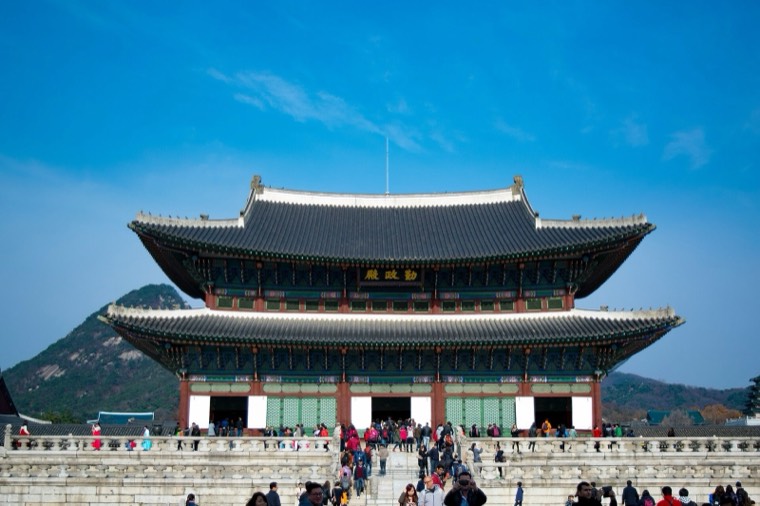
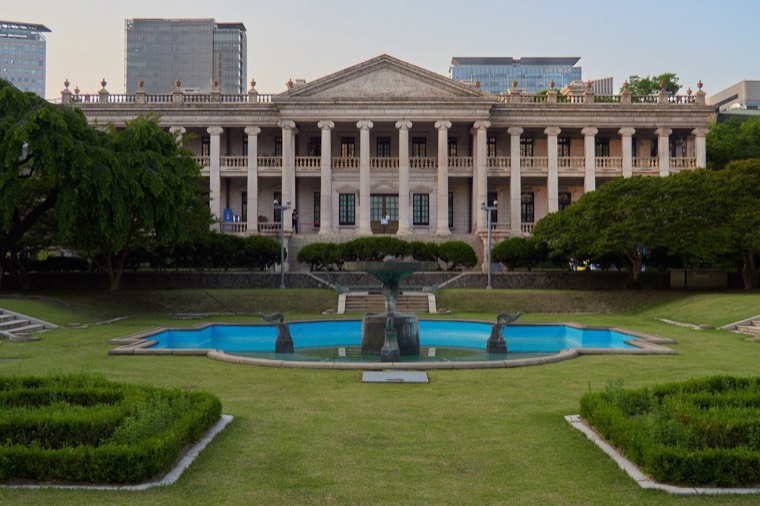
The royal palaces do not close for the holidays. In 2026 the Korea Heritage Service's palace offices opened them free of charge over both breaks: Gyeongbokgung, the Chilgung shrine, Changdeokgung and Changgyeonggung from February 14 to 18 for Seollal, and those four plus Deoksugung and Jongmyo from September 24 to 27 for Chuseok. Each free window covered the holiday plus the weekend days running into it. Hours followed the season, so Gyeongbokgung closed at 5 p.m., with last entry at 4 p.m., in February and at 6 p.m. in September.
Free does not mean everything runs as usual. Gyeongbokgung's regular guided tours were suspended over both holidays. Changdeokgung's free admission covered the palace buildings but not the Secret Garden (후원, Huwon), which kept its own ticket and its own tours. Jongmyo, normally entered on timed tours, switched to free self-guided visits, with tours offered only in Korean from September 24 to 26. Deoksugung ran its commentary on a holiday schedule, including English sessions at 11:50 and 14:50 at the Daehan Empire History Museum in Seokjojeon.
Watch the closing days. Gyeongbokgung normally closes on Tuesdays, and when Seollal 2026 fell on a Tuesday the palace opened and moved its closure to Thursday, February 19, the first day after the break. Changdeokgung and Deoksugung close on Mondays and also shift closure when a Monday is a holiday. In 2027 both the Seollal substitute holiday (February 9) and the first day of Chuseok (September 14) are Tuesdays, so expect Gyeongbokgung to open on those days and close afterward. The 2026 notices appeared on royal.khs.go.kr between three days and four weeks ahead, so check again the week before.
Free entry plus quiet streets is a strong combination, but Korean families staying in Seoul have the same idea, and afternoons on the main holiday days can be busy at Gyeongbokgung in particular. Arrive at 9 a.m., see the main throne-hall axis first and leave the outer pavilions for later. If you want space for photographs, Jongmyo is a good alternative: public holidays are self-guided days there, so you can linger instead of following a guide on a fixed schedule.
What closes: museums on the day itself, and many kitchens
Museums are less generous than palaces. The National Folk Museum of Korea (국립민속박물관, Gungnip Minsok Bangmulgwan), inside the Gyeongbokgung grounds, closes on Seollal and Chuseok days themselves, as both of its 2026 holiday event notices stated, and holds its holiday programs on the days around them. Other museums set their own rules, so read each one's notice board before building a day around it.
Food takes more planning than sightseeing. Banks and government offices close for the holiday, and many family-run restaurants and market stalls shut for at least the main day while their owners travel or host relatives. Chain cafés, convenience stores, hotel restaurants and places in heavily visited districts are the likeliest to stay open. Book a table for the main holiday day if a particular meal matters to you, check opening status in your map app the evening before, and keep breakfast supplies from a convenience store in your room.
Getting around when the whole country goes home
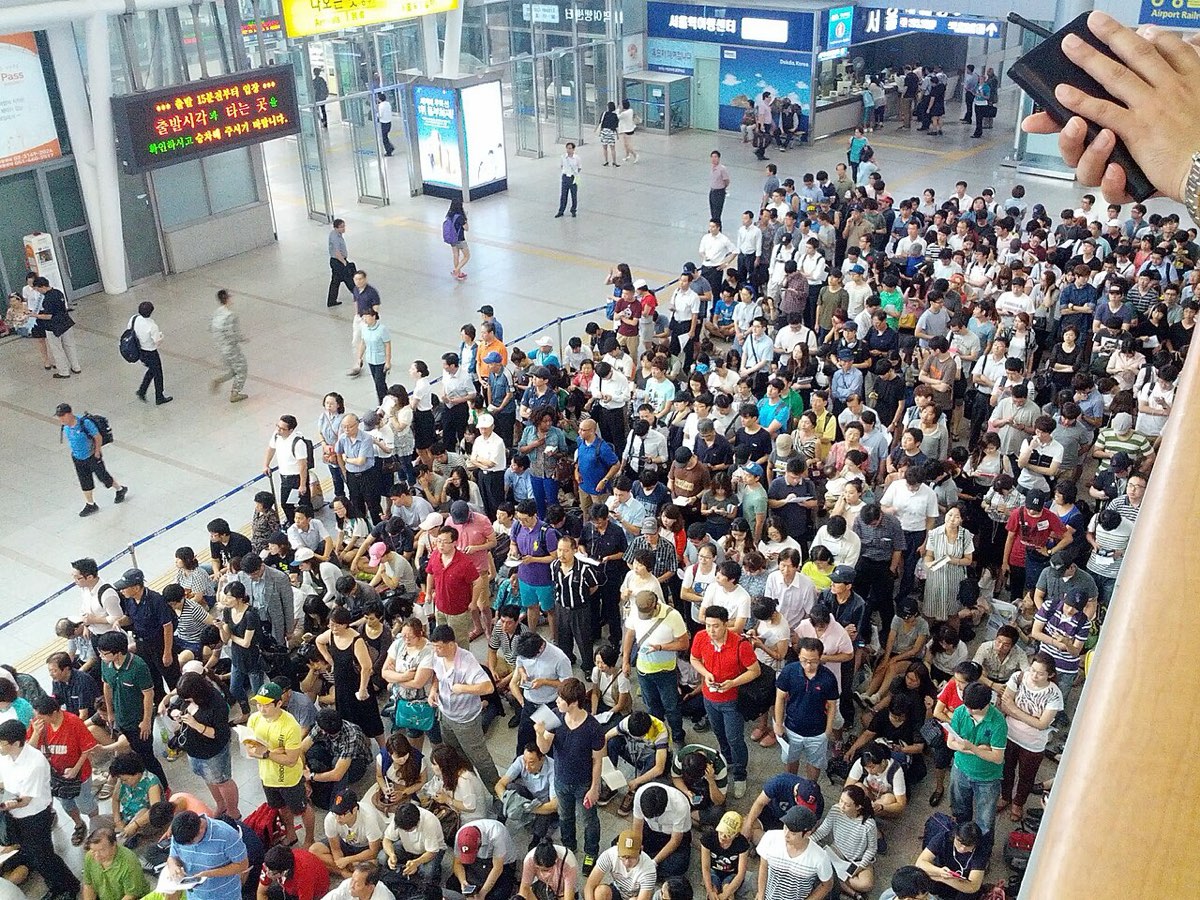
The crunch is intercity, not inside Seoul. Trains, express buses and expressways are busiest on the first day out and the last day back. Seoul's own transit gets easier in the middle of the break, and the city sometimes extends service for returning travelers: for Seollal 2026 it ran subway Lines 1 to 9 and buses serving its main rail and bus terminals until 1 a.m. on February 17 and 18, while all 14 overnight Owl bus routes kept their normal schedule throughout the holiday.
The simplest strategy is to stay in Seoul and let the country empty around you. If your itinerary needs an intercity leg, avoid the first and last days of the break, book as soon as your rail or bus operator opens holiday sales, and keep a refundable backup. Expect queues at Seoul Station and the express bus terminals on peak days, and leave extra time for airport trips that pass through them.
Where to see the holiday in public
Because the real rituals happen in private homes, museums and heritage villages stage public versions, and these are the best way for a visitor to take part. The National Folk Museum has run both Seollal and Chuseok programs in recent years. Its 2026 Seollal day, on February 16, included a booth for recording New Year's blessings, sebaetdon envelope making, fortune-telling with yut sticks and a family musical. Its Chuseok event on September 26 and 27 offered a ssireum class and children's tournament, a folk-game relay with jegichagi (제기차기, shuttlecock kicking), tuho (투호, arrow throwing) and top spinning, group ganggangsullae and farmers' band performances.
Namsangol Hanok Village (남산골한옥마을, Namsangol Hanok Maeul) is the other dependable stage. Its 2026 Chuseok festival, Namsan Dalbit Madang, ran from September 24 to 27 with a talk on how the charye table is laid out, pansori and traditional tightrope-walking performances, free hanbok and traditional makeup sessions, and craft workshops; on Seollal 2026 itself, February 17, it held a talk on the holiday ancestral table. The hanbok sessions and performances were walk-in, while the craft workshops took advance bookings.
Both venues publish details only a few weeks ahead; the Folk Museum posted its 2026 Chuseok program on September 14, twelve days before the event. Treat 2027 programs as likely rather than certain, and check the museum's seasonal events board (세시풍속행사, sesi pungsok haengsa) and Namsangol's program page in late January and early September. When a program is confirmed, go early: activities with daily limits, such as the craft tables, are first come, first served.
Worked example: three days of Chuseok 2027 in Seoul
This plan assumes the 2026 patterns repeat, so confirm each notice before you go. Tuesday, September 14, the day before Chuseok: start at Gyeongbokgung at 9 a.m., ahead of the holiday crowds, and walk to the National Folk Museum inside the grounds before lunch, since it should be open that day. Eat a proper lunch while neighborhood restaurants are still running, and buy songpyeon from a rice-cake shop (떡집, tteokjip) for the next morning's breakfast.
Wednesday, September 15, Chuseok itself, brings the most closures. Spend the morning at Changdeokgung, whose palace buildings were free over Chuseok 2026; if you want the Secret Garden, its tickets still need booking. In the afternoon, head to Namsangol Hanok Village if its festival returns, then eat at a hotel restaurant or a chain in a central district. If the sky is clear, look for the full moon in the evening; it is the reason the holiday exists.
Thursday, September 16, the last holiday day: check whether the Folk Museum's holiday program runs today, since its events have recently fallen on the days around Chuseok. Finish at Jongmyo, which on a public holiday is a self-guided day rather than a timed-tour day; over Chuseok 2026 entry was also free. Do not book an intercity train for this evening, when the return rush peaks; leave Seoul on Friday instead.
Questions visitors ask
Is it a bad idea to visit Seoul during Seollal or Chuseok?
No, as long as you plan around closures. Seoul is quieter than usual, the palaces opened free over both 2026 holidays, and museums and heritage villages run holiday programs. The costs are closed family restaurants on the main day and crowded intercity transport at the start and end of the break.
Are the palaces free during Seollal and Chuseok?
They were in 2026: Gyeongbokgung, Changdeokgung and Changgyeonggung over Seollal, and those three plus Deoksugung and Jongmyo over Chuseok. Changdeokgung's Secret Garden was excluded, and regular guided tours were reduced. Check the holiday notice on royal.khs.go.kr before you go.
What should I say to Koreans during the holidays?
For Seollal, 새해 복 많이 받으세요 (saehae bok mani badeuseyo), 'receive many New Year blessings.' For Chuseok, 즐거운 한가위 보내세요 (jeulgeoun hangawi bonaeseyo), 'have a joyful Chuseok.' Either one, said with a slight bow, will be warmly received.
Will restaurants be open on Chuseok day?
Many family-run restaurants and market stalls close on the main day, and some close for the whole break. Hotel restaurants, chains, convenience stores and places in tourist districts are your safest options. Check opening status in Naver Map or Kakao Map the evening before.
Do the subway and buses run normally over the holidays?
Yes, with holiday timetables. Seoul has extended late service on some holiday days, as it did until 1 a.m. on February 17 and 18, 2026, and the overnight Owl buses ran as usual. Intercity trains and express buses are the bottleneck, not city transit.
Sources and method
Written for: Visitors whose Seoul trip overlaps Seollal, Chuseok or another Korean public holiday and who want to know what that means for sights, food and transport.
Method: Researched from the official sources listed below, checked on October 20, 2026. Holiday openings, fees and events are announced shortly before each holiday; the linked official pages are the final word. Spotted something out of date? Tell us.
- Korea AeroSpace Administration (우주항공청): 2027 calendar almanac (「2027년 월력요항」 발표), June 29, 2026Seollal Feb 7 and Chuseok Sep 15, 2027; holiday spans, substitute holidays, ten long weekends, Labor Day and Constitution Day designated April 2026, Sunday overlaps.
- Royal Palaces and Tombs: Gyeongbokgung Seollal 2026 free admission noticeFree admission Feb 14-18, 2026; hours 09:00-17:00; no regular guided tours; closure moved to Feb 19.
- Royal Palaces and Tombs: Changdeokgung Chuseok 2026 noticeFree admission Sep 24-27, 2026, excluding the Secret Garden; palace-building tours suspended.
- Royal Palaces and Tombs: Jongmyo Chuseok 2026 noticeSwitch from timed tours to free self-guided entry Sep 24-27, 2026; Korean-only tours on holiday weekdays. Related Gyeongbokgung and Deoksugung Chuseok notices on the same board confirm their free windows and Deoksugung's English sessions.
- National Folk Museum of Korea: 2026 Chuseok event notice (모두 함께 한가위)Event Sep 26-27, 2026; museum closed on Chuseok day; ssireum, folk-game relay, ganggangsullae, songpyeon as the signature Chuseok food; posted Sep 14.
- National Folk Museum of Korea: 2026 Seollal event notice (설맞이 한마당)Seollal program on Feb 16, 2026: New Year's blessings booth, sebaetdon envelopes, yut fortune-telling, family musical; museum closed on Seollal day.
- National Folk Museum of Korea: permanent exhibition text on ancestral memorial rites (English)Confucian roots of ancestral rites held on seol and chuseok, filial duty, and the note that the custom is changing while its core meaning holds.
- Namsangol Hanok Village: past seasonal events and festivals2026 Chuseok festival Namsan Dalbit Madang (Sep 24-27) program and the Seollal 2026 talk on the ancestral table.
- Korea JoongAng Daily: Seoul to extend public transportation to 1 a.m. during Lunar New Year holiday (February 9, 2026)Late service on Feb 17-18, 2026 for returning travelers, Owl buses running as usual, extra trips to Manguri Cemetery routes.
- Encyclopedia of Korean Culture (한국민족문화대백과사전): 설 (Seol)Charye on Seollal morning, seongmyo around the holiday, tteokguk as the holiday dish said to add a year of age, yutnori as the most common New Year game, and the 새해 복 많이 받으십시오 greeting.