In shortGive Day 1 to Gyeongbokgung, Bukchon and Insadong, Day 2 to Changdeokgung's Secret Garden, Jongmyo Shrine and Gwangjang Market, and Day 3 to the National Museum of Korea and Namsan. Gyeongbokgung and Jongmyo close on Tuesdays and Changdeokgung on Mondays, so Day 2 must fall between Wednesday and Sunday, and its garden tour goes on sale online at 10:00 Korea time six days ahead.
Key facts
- Day 1
- 경복궁 · 북촌 · 인사동 (Gyeongbokgung, Bukchon, Insadong); any day except Tuesday
- Day 2
- 창덕궁 후원 · 종묘 · 광장시장 (Secret Garden, Jongmyo, Gwangjang Market); Wednesday to Sunday only
- Day 3
- 국립중앙박물관 · 남산골한옥마을 (National Museum of Korea, Namsangol); best Tuesday to Sunday
- Closed Tuesdays
- Gyeongbokgung and Jongmyo Shrine
- Closed Mondays
- Changdeokgung, Changgyeonggung, Deoksugung; Namsangol's houses unless the Monday is a holiday
- Book ahead
- Secret Garden: online from 10:00 KST six days before; on-site tickets from 09:00 on the day
- Adult foreign visitor fees (19–64)
- Gyeongbokgung 3,000 won; Changdeokgung 3,000 + garden 5,000; Changgyeonggung and Jongmyo 1,000 each
- Open until 21:00
- Deoksugung and Changgyeonggung (not Mondays); National Museum of Korea on Wednesdays and Saturdays
Checked Oct 20, 2026 against the official sources listed at the end of this guide.
Why the three days follow the plan of the Joseon capital
Seoul's oldest cultural sites were laid out to one plan, and following it saves both time and confusion. When the Joseon dynasty (조선, 1392–1910) built its capital, it placed the main palace, Gyeongbokgung (경복궁), under the mountain Bugaksan, and set the royal ancestral shrine, Jongmyo (종묘), to the east and the altar to the gods of land and grain to the west, following a classical rule for capitals. The commercial avenue of Jongno ran below that royal quarter, and Namsan (남산), with the city wall along its ridge, closed the city to the south. Each day of this itinerary takes one band of that map, so you walk most of it instead of crossing town.
Day 1 covers the state's public face. Gyeongbokgung's straight line of gates, throne hall, office and residences is the template the other palaces adapt or ignore, which is why it comes first. Bukchon (북촌), on the slope between the two main palaces, is where officials and noble families settled to stay close to the throne. Insadong (인사동), just below it, grew from the old quarter of the royal painting bureau into the city's street of galleries, brush shops and antique dealers.
Day 2 moves from the state to the royal household and its ancestors. Changdeokgung (창덕궁), not Gyeongbokgung, was where Joseon kings actually lived for about 270 years after the 1592 Japanese invasion, and its rear garden was their private retreat. Jongmyo holds the spirit tablets on which the dynasty's legitimacy rested, and Gwangjang Market (광장시장), founded by Korean merchants in 1905, is the trading city that grew up beside them. Day 3 steps back for the long view: the National Museum of Korea (국립중앙박물관) puts objects to the stories you have walked through, and Namsan shows the wall that once enclosed them.
The closing-day grid that sets your order
Three rules decide which day goes where. Gyeongbokgung and Jongmyo close on Tuesdays; Changdeokgung, Changgyeonggung and Deoksugung close on Mondays. Namsangol Hanok Village's houses also close on Mondays unless the Monday is a public holiday, and the National Museum of Korea, otherwise open daily, shuts its exhibition halls on the first Monday of March, June, September and December, next on December 7, 2026. Day 2 is the demanding one, because it needs Changdeokgung and Jongmyo open together, which happens only from Wednesday to Sunday. Day 1 works on any day but Tuesday, and Day 3 is happiest from Tuesday to Sunday.
Two refinements. When a regular closing day falls on a public holiday, the palaces and Jongmyo open that day and close on the next non-holiday instead, so in a week with a Monday holiday the following Tuesday can shut Gyeongbokgung, Jongmyo and the Monday palaces all at once; check the notice board on royal.khs.go.kr before you fix a holiday week. The national museum also closes on January 1 and on the Seollal and Chuseok days themselves, so over the lunar holidays put Day 3 on one of the days around them.
| If your three days start on | Day order | Why this order |
|---|---|---|
| Monday | Day 1, Day 3, Day 2 | Gyeongbokgung is the main palace open on Mondays; Tuesday suits the museum; Wednesday makes Day 2's halls and shrine free |
| Tuesday | Day 3, Day 2, Day 1 | Tuesday closes Gyeongbokgung and Jongmyo but not the museum or Namsangol |
| Wednesday | Day 2, Day 1, Day 3 | Wednesday's free entry covers Day 2's palace halls and shrine but not Gyeongbokgung, so spend it on Day 2 |
| Thursday | Day 1, Day 2, Day 3 | Friday's Jongmyo visit is an English guided tour; Saturday's museum stays open to 21:00 |
| Friday | Day 1, Day 2, Day 3 | Saturday keeps Gwangjang's shops open and Jongmyo self-guided |
| Saturday | Day 2, Day 3, Day 1 | Monday closes Day 2's palaces but not Gyeongbokgung |
| Sunday | Day 2, Day 1, Day 3 | Sunday is your only Day 2 slot; Jongmyo is self-guided with English commentary, though Gwangjang's shops are shut |
Day 1: from the throne hall to a teahouse in Insadong
Be at Gyeongbokgung soon after its 09:00 opening; Exit 5 of Gyeongbokgung Station, on Line 3, is about two minutes from the gate. Buy your ticket, then watch the 10:00 guard-changing ceremony in the forecourt in front of Heungnyemun gate, which takes about 20 minutes. Afterward walk the central axis: the throne hall Geunjeongjeon (근정전) with its rank stones, the king's office Sajeongjeon, the royal residences and the terraced Amisan garden, then cut west to Gyeonghoeru (경회루), the banquet pavilion standing in its square pond. Allow two and a half hours in all.
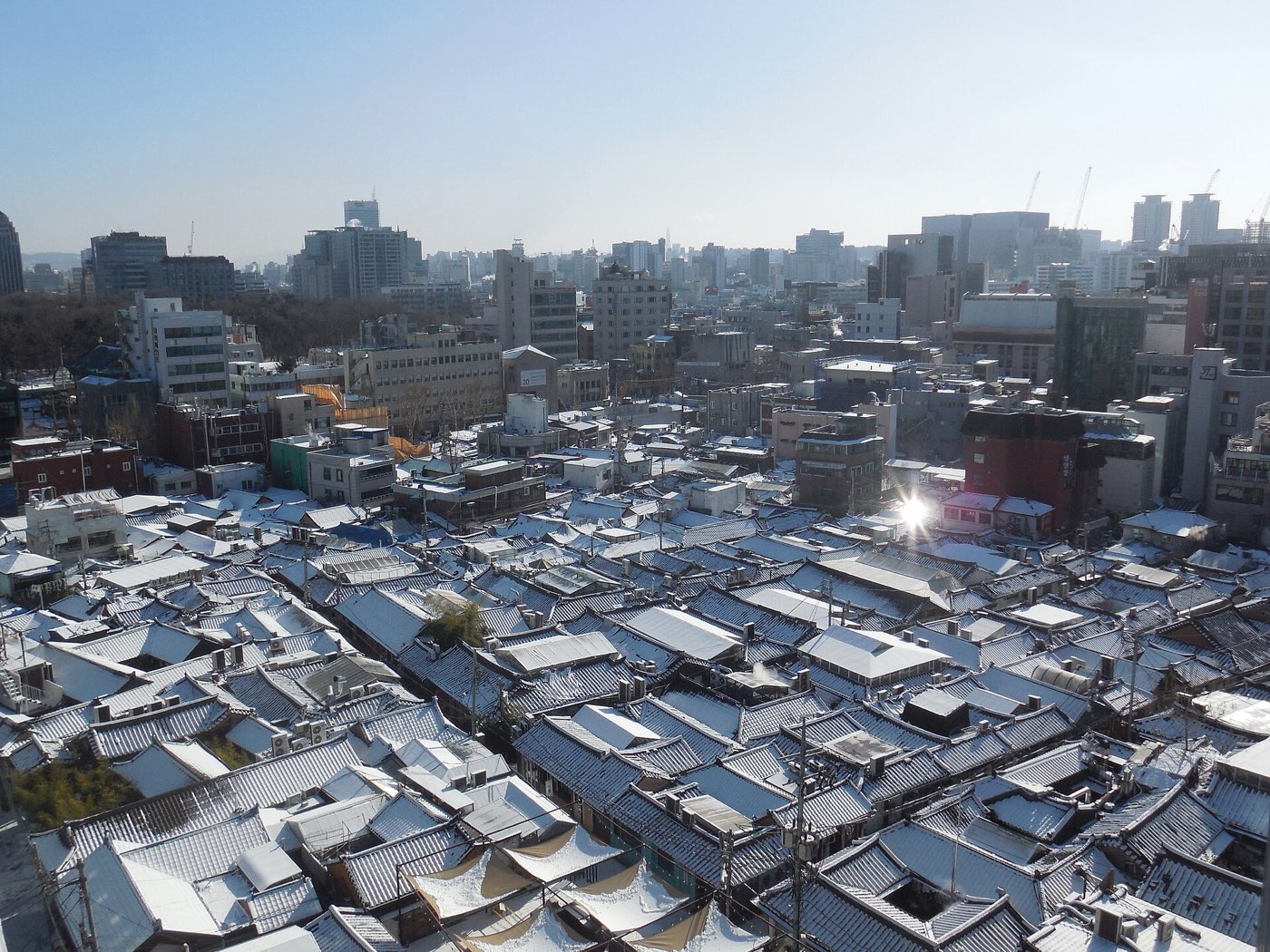
Leave by the east side around 12:30, eat in Samcheong-dong (삼청동), and climb into Bukchon. Its most photographed lane, Bukchon-ro 11-gil (북촌로11길), lies in a red zone where tourists may walk only from 10:00 to 17:00, and an officer can fine you 100,000 won if you stay after being asked to leave, so an early-afternoon visit fits the rule with time to spare. These are family homes: keep voices low, do not sit on doorsteps, and do not photograph into houses. About 90 minutes covers the view over Changdeokgung's roofs and the lane itself.
From the foot of Bukchon, cross toward Anguk Station and walk Insadong-gil (인사동길) south from its northern end. The main street mixes craft with imported souvenir stock, so spend your time upstairs and in the side alleys: galleries you can walk into without a ticket, brush shops marked 필방 (pilbang), and a traditional teahouse for citron or jujube tea with your shoes off. Around 17:30, walk east along Jongno toward Jongno 3-ga and turn north into Ikseon-dong (익선동), where small 1920s hanok now hold restaurants and cafés, for dinner a few minutes from the subway.
Two swaps are worth knowing. If empty lanes matter more to you than an empty palace, do Bukchon first, soon after 10:00 on a weekday, and Gyeongbokgung from 13:30, catching the 14:00 ceremony; from November to February the palace stops admitting visitors at 16:00, so start by 14:00. And if one museum fits your Day 1, the National Palace Museum at the palace's southwest corner shows the court's furnishings, carriages and ritual objects in an hour, while the National Folk Museum on the east side explains how everyone else lived.
Day 2: the Secret Garden, the ancestral shrine and a market supper
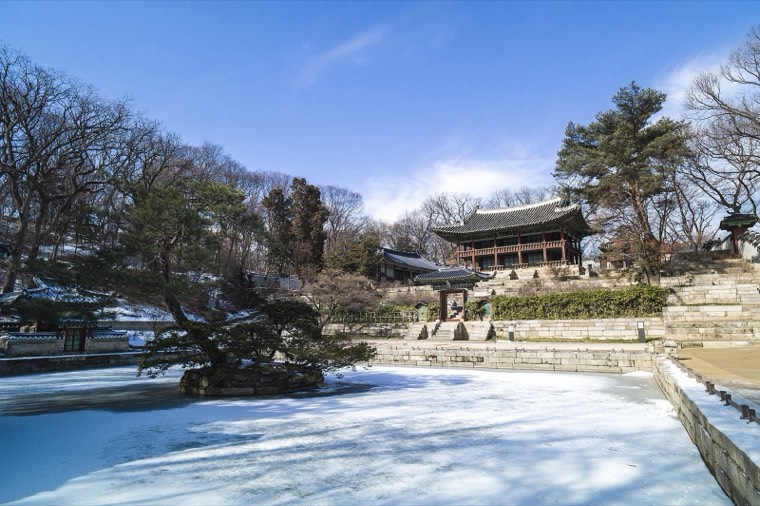
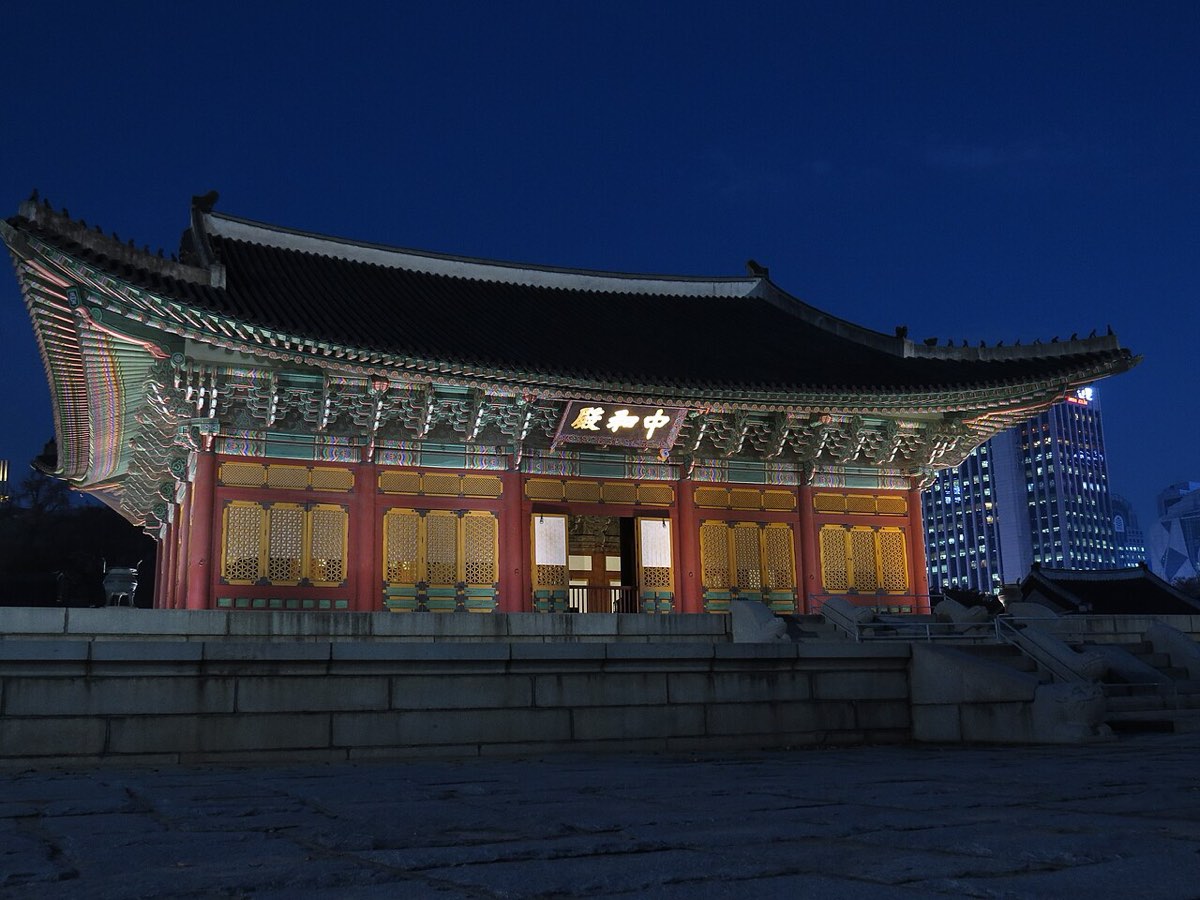
Book this day first. The Secret Garden, Huwon (후원), behind Changdeokgung can be entered only on a timed guided session. English sessions leave at 10:30, 11:30 and 14:30, with 15:30 added from March to November; half of each session's 100 places go on sale online at 10:00 Korea time six days ahead, and the other half are sold at the ticket office from 09:00 on the day. Choose 10:30 or 11:30. Arrive at Changdeokgung at 09:00 from Anguk Station Exit 3 and spend the time before your slot in the halls: the throne hall Injeongjeon, the blue-roofed office Seonjeongjeon and the unpainted Nakseonjae compound.
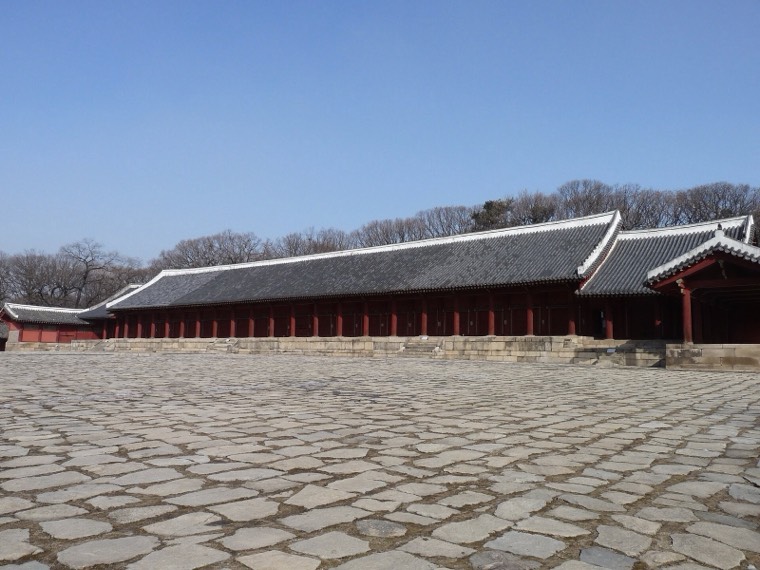
The rest of the day depends on the weekday. On Wednesdays, weekends and public holidays, Jongmyo is a self-guided day and the restored link over Yulgok-ro is open. From the palace halls, walk through Hamyangmun gate into Changgyeonggung (창경궁), see its 1616 throne hall and the white-framed glasshouse, then leave by its Yulgok-ro gate into Jongmyo's north side; that gate stops admitting people at 17:00 in winter and 17:30 in spring and autumn. Each site needs its own ticket. Walk past the shrine's two great halls, Jeongjeon and Yeongnyeongjeon, and out of the main gate onto Jongno, allowing about an hour inside.
On Thursdays and Fridays, Jongmyo admits visitors only on timed guided tours of about 50 minutes, with English tours at 10:00, 12:00, 14:00 and 16:00. After the garden, eat near Changdeokgung, walk south to Jongno 3-ga and join the 14:00 tour, buying your ticket at the shrine and reaching the start early. A guided weekday visit is arguably the better way to understand Jongmyo anyway, because a docent explains what each building was for and the stone court is quiet. Saturdays and holidays offer Korean commentary only, so English speakers who want a guide should choose a weekday or a Sunday.
Finish at Gwangjang Market, a short walk east along Jongno from the shrine. VisitKorea lists its food street as open 09:00 to 23:00 all year, while the general market keeps 09:00 to 18:00 and closes on Sundays. Sit at a counter with a posted price board, name the dish and the quantity before anything is served, and start with mayak gimbap while you decide, then bindaetteok (빈대떡, mung-bean pancake) with a bottle of makgeolli. Cards are accepted at many places, but carry small notes. Adult foreign visitors aged 19 to 64 spend 10,000 won on Day 2's four tickets, or 5,000 won on a Wednesday.
Day 3: three objects at the national museum, then up Namsan
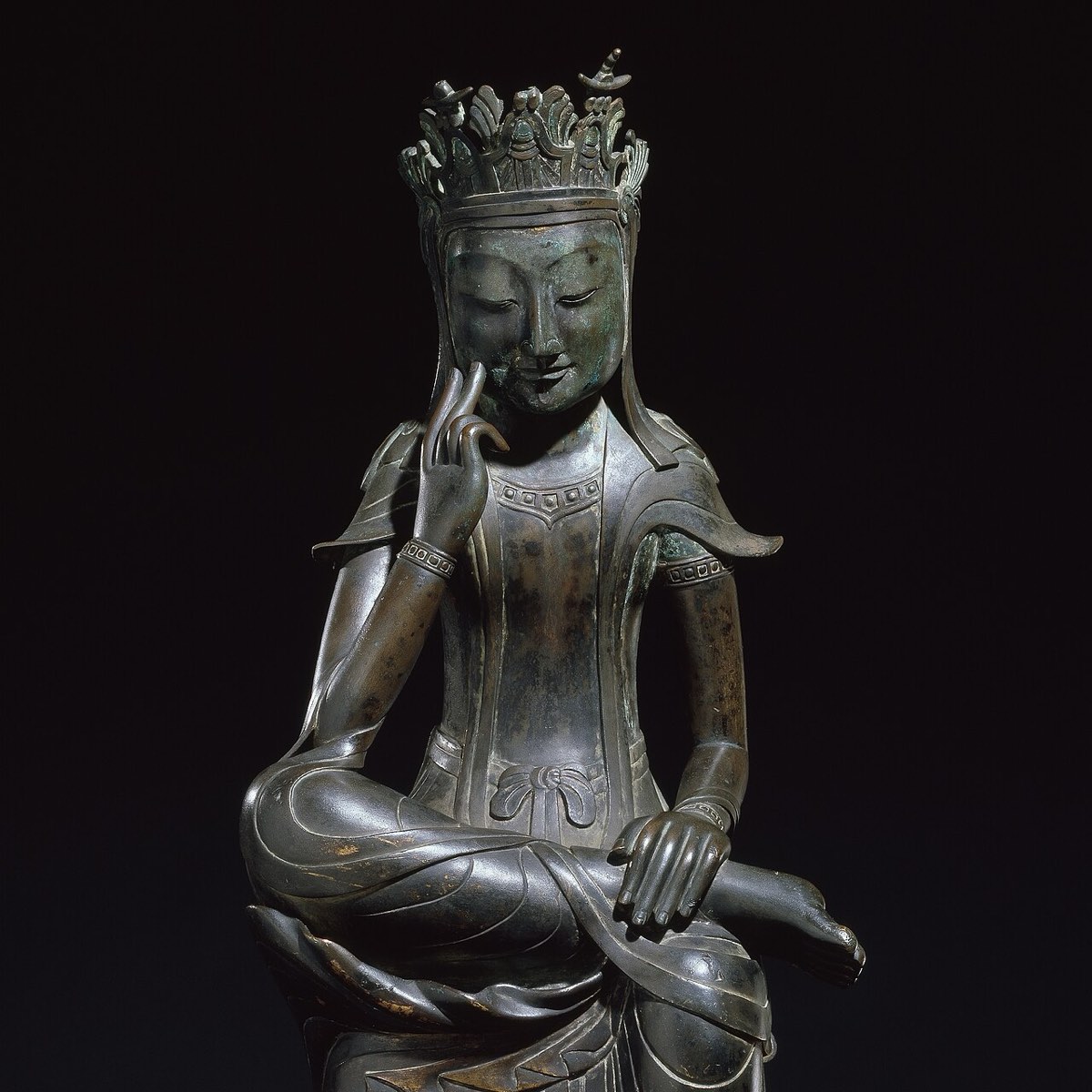
Take Line 4 or the Gyeongui-Jungang Line to Ichon Station and either use Exit 2, about 150 meters from the museum, or follow the underground Museum Nadeulgil path, open 07:00 to 23:00. The National Museum of Korea opens at 09:30 and its permanent galleries are free; put any backpack in a first-floor locker, as the museum requires. Resist walking every corridor. Three anchors carry the visit: the marble Gyeongcheonsa pagoda of 1348 in the central hall, the Silla gold crown in the ancient galleries, and the two pensive bodhisattvas in the second-floor Room of Quiet Contemplation, with the celadon and buncheong rooms, 303 and 304, as an optional fourth stop.
Check the museum's notice board for gallery closures before you set out, since older highlight routes can lead to closed doors. Two and a half hours covers the three anchors and the ceramics. Eat lunch at the museum before you move on, so that the afternoon starts on time.
In the afternoon, ride Line 4 from Ichon to Chungmuro and walk up to Namsangol Hanok Village (남산골한옥마을), where late-Joseon houses gathered from around the city, one of them a faithful replica, stand open to walk into, free. Commentary tours in English leave at 14:00 and 15:30 from Tuesday to Friday and at 10:30 and 12:00 at weekends; individuals simply join at the guide office by the main gate. From the top of the village garden, footpaths climb Namsan toward N Seoul Tower in roughly 40 minutes to an hour. See the Joseon beacon mound at the summit, then ride the cable car or a Namsan bus down toward Myeong-dong for dinner.
Seochon (서촌), on Gyeongbokgung's west side, is the alternative for readers who would rather have literature and a market lunch than views: Tongin Market's covered lane, a painter's house turned museum and a poet's hill under Inwangsan. It fits best when Day 3 falls on a Wednesday or Saturday, when the national museum stays open until 21:00 with last entry at 20:30. Then flip the day: Seochon from late morning, and the museum from about 17:30, when the galleries thin out. Our Seochon walk gives the hours and closing days of its small museums.
Cutting to two days, or to one
With two days, keep Day 1 and Day 2 and drop Day 3. The palaces, Bukchon and Jongmyo cannot be replaced, while the museum can be squeezed into an evening: if either day is a Wednesday or Saturday, go after dinner for the pagoda and the bodhisattvas, about 90 minutes before the 21:00 close. Inside those two days, cut Changgyeonggung, Ikseon-dong and any second museum before anything else. Keep the Secret Garden; nothing else in Seoul shows so clearly how a Joseon king wanted to spend his time away from the throne.
With one day, let the weekday choose. On most days, shorten Day 1: Gyeongbokgung's central axis and Gyeonghoeru in about 90 minutes, Bukchon-ro 11-gil before 17:00, and tea in Insadong. On a Tuesday, when Gyeongbokgung and Jongmyo are both closed, take Changdeokgung's halls and a garden session, then Changgyeonggung. On a Monday, when the other palaces are closed, pair Gyeongbokgung in the morning with Jongmyo's 14:00 English tour, since Monday is a guided-tour day there, and end in Insadong. One palace and one neighborhood seen properly beat three palaces seen at a run.
Meals that fit the route instead of interrupting it
Plan meals by area, not by the clock. Day 1's lunch belongs in Samcheong-dong between the palace and Bukchon, and its dinner in Ikseon-dong or the lanes around Insadong, where many restaurants occupy converted hanok. A traditional teahouse in mid-afternoon doubles as a rest stop: order one leaf tea and one fruit tea and share them. If you want Korean barbecue on one of the evenings, read our ordering guide first, because grill restaurants have their own rules on portions and pricing that regularly confuse first-time visitors.
Day 2 has the itinerary's best built-in meal. On Jongmyo's self-guided days you reach Gwangjang from the shrine in time for an early dinner, and on Thursdays and Fridays you arrive after the 14:00 tour for a late lunch that can run into the evening. Bindaetteok with makgeolli is the pairing Koreans reach for, and yukhoe, seasoned raw beef, is the splurge, usually ordered at sit-down specialists rather than counters. Day 3's lunch is easiest inside the museum, and its dinner in Myeong-dong at the foot of Namsan, where the cable car and buses come down.
After the palaces close: evening options for each day
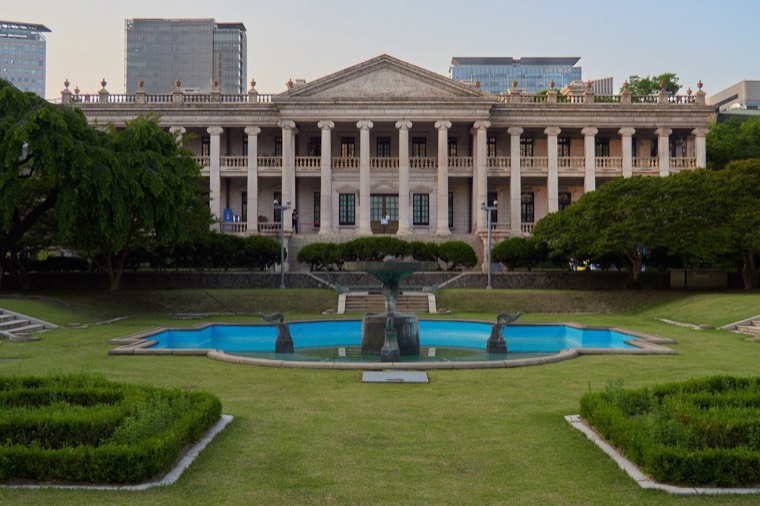
Most palaces close between 17:00 and 18:30 depending on the month, but Deoksugung (덕수궁) opposite Seoul City Hall and Changgyeonggung beside Changdeokgung stay open until 21:00, with last entry at 20:00, every day except Monday. On Day 1, Deoksugung shows a different chapter after dinner: the short-lived Korean Empire and its Western stone halls. On Day 2, Changgyeonggung's grounds and lit glasshouse make a calm return trip from Gwangjang. Separately ticketed night programs occasionally shorten Changgyeonggung's ordinary evening hours, so glance at its notice board first.
Day 3 has the most choice. Namsangol's houses stay open until 21:00 from April to November and until 20:00 from December to March, and Seoul Namsan Gugakdang, an underground hall for traditional music at the edge of the village, lists its evening performances on sgtt.kr. The summit terraces on Namsan cost nothing after dark. In the Seochon version of the day, the national museum's late opening on Wednesday or Saturday is the evening. Whatever you choose, check the last subway train from your stop in Naver Map before a late dinner.
Getting around: one transit card and four stations
Almost every connection in this plan is a walk, so a pay-as-you-go T-money card loaded with cash covers the subway rides; unlimited passes pay off only when you make several separate journeys a day, and our subway guide does that arithmetic. Four stations do most of the work: Gyeongbokgung (Exit 5) for Day 1, Anguk (Exit 3) for Changdeokgung and the north end of Insadong, Jongno 3-ga (Exits 11 and 8) for Jongmyo, and Ichon (Exit 2) for the museum. The first three are on Line 3. In Naver Map or Kakao Map, search the Korean names in this guide rather than English spellings.
- Six days before Day 2, at 10:00 Korea time: book an English Secret Garden session through royal.khs.go.kr, or plan to queue at the Changdeokgung ticket office from 09:00 on the day.
- In the week of travel, check the palace notice boards for holiday closures and special programs.
- Check the National Museum of Korea's notice board for gallery closures before Day 3.
- Carry your passport: foreign visitors aged 18 and under or 65 and over enter the palaces and Jongmyo free.
- Bring small won notes for Gwangjang's counters and a T-money card for the subway.
- Leave Bukchon-ro 11-gil by 17:00.
Questions visitors ask
Can I see Gyeongbokgung and Changdeokgung on the same day?
Yes, but you will rush both. If you must, walk Gyeongbokgung's central axis in the morning, cross Bukchon on foot, and take a 14:30 English Secret Garden session booked six days ahead. It works only from Wednesday to Sunday, since Gyeongbokgung closes on Tuesdays and Changdeokgung on Mondays, and Jongmyo then has to wait for another day.
Do I need to book anything in advance?
Only the Secret Garden: online from 10:00 Korea time six days before your visit, or on the day from 09:00 at the Changdeokgung ticket office, where half of each session's places are held back. Palace and Jongmyo tickets are bought at the gate, the national museum's permanent galleries need no ticket, and Namsangol's English tours take walk-ins.
Is the integrated palace pass worth it for this plan?
Usually, by a small margin. The 6,000-won pass, valid for six months, covers one entry each to Gyeongbokgung, Changdeokgung, Changgyeonggung, Deoksugung and Jongmyo, and this itinerary's tickets for four of them cost adult foreign visitors 8,000 won bought separately. It excludes the 5,000-won Secret Garden ticket, and if Day 2 falls on a Wednesday its sites are free anyway, which makes the pass pointless.
What should I change if it rains?
Move Day 3 forward: the national museum is reached by an underground path from Ichon Station, and the Namsan walk can become a performance at Namsan Gugakdang. Palace days survive light rain, but the Secret Garden's earth paths turn slippery, so wear shoes with grip, and leave Bukchon's lanes and Jongmyo's open stone courts for a dry afternoon if you can.
Which day suits hanbok rental?
Day 1. Rental shops cluster around Gyeongbokgung Station, a qualifying hanbok gets you into the palace free, and Bukchon makes a classic backdrop if you keep to its 10:00 to 17:00 window. Avoid it on Day 2 if you hold a garden ticket, because long skirts and the Secret Garden's hillside paths are a poor match.
Sources and method
Written for: First-time independent visitors with one to three days in Seoul who want palaces, hanok lanes, a market and a museum in an order that avoids closed gates.
Method: Researched from the official sources listed below, checked on October 20, 2026. Hours, fees and booking rules can change; the linked official pages are the final word. Spotted something out of date? Tell us.
- Royal Palaces and Tombs Center (Korea Heritage Service) — Visiting hoursMonday and Tuesday closures and the holiday rule; seasonal hours and last entry; Deoksugung and Changgyeonggung 09:00–21:00; Secret Garden English session times and 100 places per session (50 online, 50 on site); Jongmyo guided-tour and free-viewing days and English tour times; Yulgok-ro link days and gate cut-offs.
- Royal Palaces and Tombs Center — Admission feesAdult fees and foreign age bands; Wednesday Culture Day free entry excluding Gyeongbokgung and the Secret Garden; hanbok free entry; 6,000-won integrated pass valid six months, Secret Garden excluded; Secret Garden online booking from 10:00 six days ahead and on-site sales from 09:00.
- Royal Palaces and Tombs Center — Directions (per site)Gyeongbokgung Station (Line 3) Exit 5, about 2 minutes. The same page with schGroupCode=cdg gives Anguk Station (Line 3) Exit 3 for Changdeokgung, and with schGroupCode=jms gives Jongno 3-ga Station Exits 11 and 8 for Jongmyo.
- Korea Heritage Agency — Royal guard ceremony program guideGyeongbokgung changing ceremony at 10:00 and 14:00, about 20 minutes, in front of Heungnyemun.
- National Museum of Korea — 관람안내 (visitor information)Hours 9:30–17:30, Wednesday and Saturday to 21:00, last entry 30 minutes before closing; closed January 1, Seollal day and Chuseok day; exhibition halls closed on the first Monday of March, June, September and December (December 7, 2026); backpacks in first-floor lockers.
- National Museum of Korea — Notice of temporary closure (posted June 15, 2026)Rooms 202-3, 202-4, 203, 204, 301, 302 and the Room of Senses closed until January 28, 2027; Rooms 202-1, 202-2, 303 and 304 open.
- National Museum of Korea — Directions by subwayIchon Station (Line 4 and Gyeongui-Jungang Line) Exit 2, 150 m walk; Museum Nadeulgil underground path 7:00–23:00; elevators toward Exits 1 and 2.
- Seoul Metropolitan Government — Notice on Restrictions for Tourist Visits to Bukchon Special Management AreaRed zone around Bukchon-ro 11-gil; tourist visits 10:00–17:00 only; KRW 100,000 fine for staying after a warning.
- VisitKorea (Korea Tourism Organization) — Gwangjang MarketMarket 09:00–18:00, closed Sundays; food street 09:00–23:00, open all year; cards accepted.
- Namsangol Hanok Village (official site) — Visit GuideHouse hours April–November 09:00–21:00 and December–March 09:00–20:00; closed Mondays unless a public or substitute holiday; free admission; English commentary tours Tuesday–Friday at 14:00 and 15:30 and weekends at 10:30 and 12:00; individuals join on site without reservation.